
The Slow Crawl From Phone Call to Paperwork
Most property managers assume that getting a roof quote is a quick phone call and a guy with a clipboard showing up a few days later. The reality for commercial buildings looks nothing like that. A single quote often requires scheduling a site visit, waiting for a contractor’s crew availability, measuring the roof manually, and then waiting again for someone back at the office to run numbers and draft a proposal.
That process can stretch past two weeks for buildings with complicated rooflines, multiple HVAC penetrations, or access issues that require lift equipment. Facility managers juggling leaking membranes or storm damage don’t have two weeks to spare, yet that’s the norm in much of the industry. The delay isn’t because contractors are lazy or disorganized. It’s because the traditional quoting method relies on a chain of manual steps that each introduce their own lag time, and every handoff between people adds another day or two to the timeline.
Satellite Measurement and Instant Pricing Tools Close the Gap
Digital estimating platforms have changed what’s possible by pulling roof measurements from satellite or aerial imagery instead of sending a person to climb up with a tape measure. Combined with pricing databases that factor in material costs, labor rates by region, and roof complexity, these tools can generate a usable estimate in minutes rather than weeks. For a facility manager trying to budget for a reroof while also researching the benefits of solar battery backup for a backup power plan during the same capital improvement cycle, that speed matters because both decisions often compete for the same line item in next year’s budget.
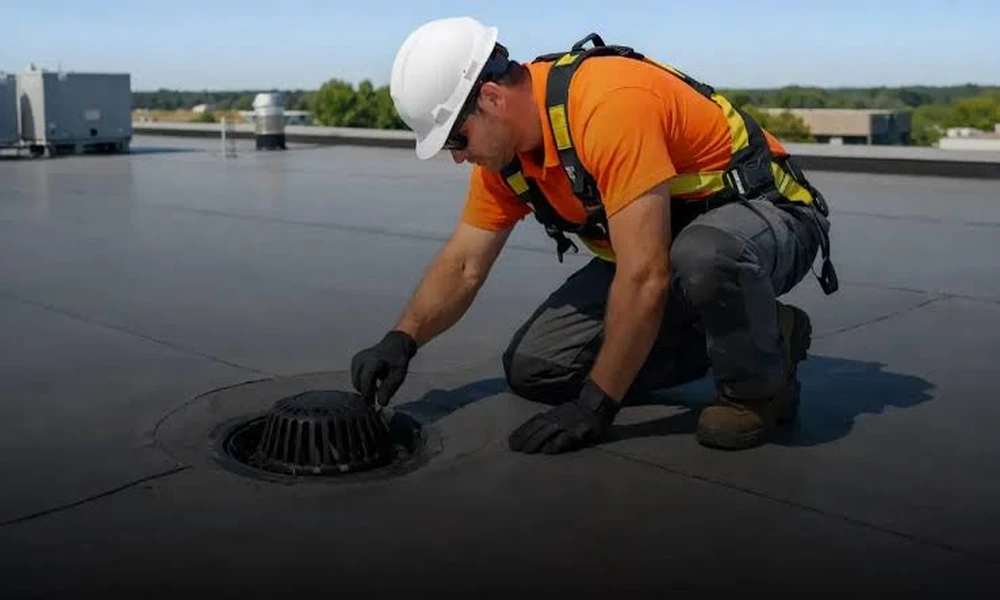
The accuracy of these instant tools has improved enough that many contractors use them as a starting point rather than a rough guess. They still send someone out to confirm drainage patterns, flashing conditions, and structural quirks before signing a contract, but the initial number arrives fast enough to keep a project moving instead of stalling at the first step. That shift reflects a broader trend in construction technology, where imaging, modeling, and materials science research are converging to make building assessments faster without sacrificing the data contractors need to spec a job correctly, a trend documented in NIST building and construction research covering how digital tools are reshaping construction practices.
Property owners managing several buildings have started using these tools to triage which roofs need attention first. Instead of waiting for a contractor’s schedule to open up for every site, they can run quick estimates across a portfolio and prioritize the ones showing the highest cost or urgency. That changes budgeting conversations from reactive scrambling into something closer to planned maintenance.
What to Check Before Trusting the Number on Your Screen
An instant quote is only as good as the data feeding it, so it’s worth checking whether the platform accounts for roof slope, insulation type, and existing drainage before treating the number as final. Flat commercial roofs vary enormously in complexity, and a tool that only measures square footage without factoring in penetrations or parapet walls can produce a number that’s off by a wide margin. Ask the contractor how the estimate was generated and whether a physical inspection will follow before any contract is signed.
Pricing transparency matters just as much as speed. A fast quote that hides fees for disposal, permitting, or warranty coverage isn’t actually saving anyone time, since those costs surface later and force a renegotiation. Building owners should compare at least two or three instant quotes against a traditional in-person estimate for the first project, just to calibrate how close the digital numbers land to reality in their specific market.
Weather exposure and local code requirements also shape whether an instant estimate holds up. Roofs in regions with heavy snow load or hurricane-force wind ratings often need adjustments that generic pricing tools miss unless they’ve been calibrated for that geography. A contractor willing to walk through those adjustments, rather than just handing over a number and moving on, is usually the one worth hiring for the actual work once the estimate phase is done.
