
Schools and campuses bring together large numbers of young people, many of whom depend on adults to guide them to safety. When an alarm or sprinkler system must be taken offline, that responsibility becomes even heavier. Fire watch coverage helps bridge the gap, ensuring that someone is continuously looking for danger while repairs are completed. This article explores the particular challenges of watching school and campus buildings and the practices that make coverage effective.
Because academic facilities carry a heightened duty of care for students and faculty, bringing in dedicated Fire Watch Guards ensures continuous, reliable protection while automated systems are under repair. Trained personnel understand how to patrol multi-building campuses without disrupting classes, monitor high-risk spaces like labs and kitchens, and maintain the strict safety logs administrators and fire marshals require.
Why Educational Properties Are Different
Educational buildings combine many types of spaces under one management. Classrooms, laboratories, cafeterias, gymnasiums, workshops, and residence halls each present different hazards, and occupancy patterns change throughout the day. Summer and holiday breaks are popular times for renovation, which means hot work and system shutdowns often coincide with limited staffing. Because younger occupants may react slowly or become frightened, early detection is especially valuable.
Covering Large Campuses
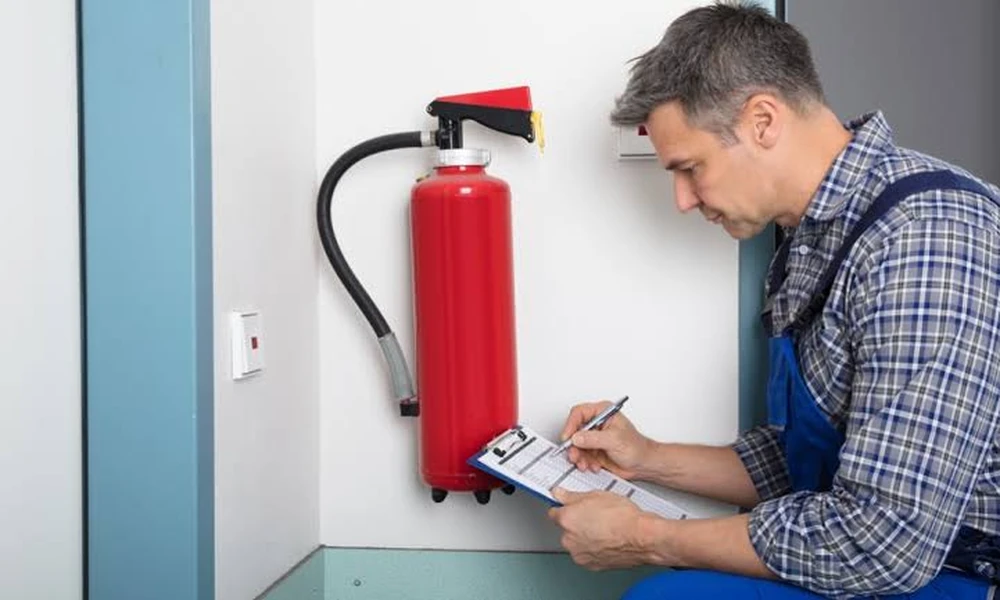
A single guard cannot properly watch a sprawling campus. Planners usually divide the property into zones and assign enough personnel to complete every round within the interval the fire official requires. Patrol routes should include science labs, kitchens, mechanical rooms, stairwells, and any area where contractors are working. Guards should also know the layout of each building, the location of exits, and the places where alarm panels and extinguishers are kept.
Working With School Staff
Good communication with administrators prevents confusion. The school should tell teachers and staff which systems are impaired and how an emergency will be announced if the usual alarm cannot be relied upon. Guards need a direct line to a designated administrator, and evacuation plans should account for students with mobility or sensory needs. Coverage should be arranged so that classes continue with as little disruption as possible, while never compromising safety.
Documentation and Reopening
Detailed logs matter as much in a school as anywhere else. They show when each building was checked, what the guard saw, and whom the guard contacted. Before students return to an affected building, the repaired systems should be tested and the fire official informed. Only after the system is confirmed to be working again should the watch end and normal occupancy resume.
Special Areas of Concern
Certain parts of a campus deserve extra scrutiny. Science laboratories store chemicals and gas lines, culinary classrooms use heavy cooking equipment, and theatres and workshops contain scenery, tools, and flammable finishes. Residence halls add the risk of unattended cooking, candles, and overloaded outlets in student rooms. Athletic facilities may host large crowds that need orderly guidance toward exits. Guards should learn which spaces are being used at which times and adjust their route so the busiest and riskiest locations are checked most often.
Conclusion
Protecting students and staff during a system outage calls for careful planning, enough trained personnel, and steady cooperation between guards and school leaders. When those elements come together, a school can complete necessary repairs without leaving its community exposed to avoidable risk.
