
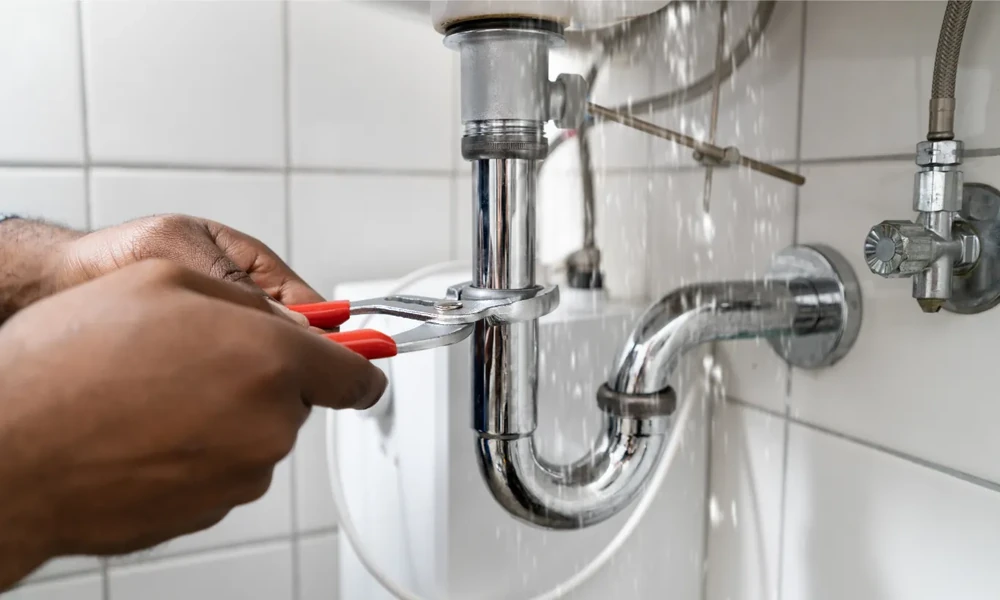
A hidden pipe leak can quietly create serious problems long before water becomes visible inside a home. Pipes running behind walls, beneath floors, through ceilings, and inside cabinets can develop small cracks or loose connections that allow water to escape gradually. Because the damage happens out of sight, homeowners may not realize anything is wrong until repairs become more complicated.
Houston homeowners should pay attention to subtle changes around their properties. Plumbing systems can experience wear from age, water pressure, corrosion, shifting soil, and everyday use. Limiting structural damage and unnecessary water waste can be achieved by identifying the initial indications of a concealed leak.
An Unexpected Increase In Your Water Bill
One of the first indications of a hidden plumbing problem may appear on the monthly water bill. If household water habits have remained relatively consistent but usage suddenly increases, water could be escaping somewhere within the plumbing system.
A small leak may not seem significant from one day to the next, but continuous water loss can add up quickly. Comparing several months of water bills can make unusual changes easier to identify. If the increase cannot be explained by additional guests, irrigation, appliance use, or other normal activities, investigating the plumbing system may be worthwhile.
Homeowners who notice persistent unexplained water consumption may need professional pipe leak repair Houston services to identify where water is escaping. Finding the source early can prevent a relatively localized plumbing issue from affecting surrounding building materials.
Damp Or Discolored Areas On Walls
Water escaping from pipes behind drywall may eventually create visible discoloration. Yellow, brown, or darker patches can develop as moisture reaches the surface. Paint may also begin bubbling, peeling, or changing texture.
These signs should not simply be covered with fresh paint. If the underlying source of moisture remains, the discoloration is likely to return. Drywall can also soften after prolonged exposure to water, potentially requiring replacement.
Ceiling stains deserve similar attention. Water may travel along pipes, framing, or other structural components before appearing in a completely different location from the actual leak.
Musty Odors That Do Not Disappear
Persistent musty smells can indicate moisture accumulating somewhere that cannot easily dry. Bathrooms and kitchens naturally experience temporary humidity, but an odor that remains even after ventilation and cleaning may point to a concealed moisture source.
Areas behind cabinets, inside wall cavities, and underneath flooring can remain damp when plumbing leaks occur. Limited airflow makes it difficult for these spaces to dry naturally.
Rather than attempting to mask an unusual odor with air fresheners, homeowners should determine whether excess moisture is present. Finding the cause is particularly important when the smell becomes stronger near a particular wall, floor, or plumbing fixture.
Flooring Begins To Change
Hidden leaks beneath flooring can gradually affect its appearance and condition. Wood flooring may warp, lift, or develop unusual gaps. Laminate materials can swell when exposed to moisture, while carpeting may feel damp or develop unexplained odors.
Tile floors can also provide clues. Loose tiles, deteriorating grout, or persistent moisture around certain areas may indicate water underneath the surface.
Flooring changes do not automatically confirm a pipe leak because humidity, spills, and other issues can cause similar symptoms. However, changes that appear without an obvious explanation should be investigated before additional damage occurs.
Water Pressure Suddenly Drops
A noticeable decrease in water pressure can sometimes be connected to a plumbing leak. If water is escaping before reaching a faucet or showerhead, the flow available at fixtures may be reduced.
Homeowners should first determine whether low pressure affects one fixture or multiple areas of the house. A single affected faucet may have a localized issue, such as mineral buildup in the aerator. Pressure changes throughout the property may indicate a broader plumbing concern.
Sudden or persistent pressure changes deserve attention, especially when they occur alongside higher water bills or visible moisture.
Unusual Sounds When Water Is Not Running
A properly functioning plumbing system should generally remain quiet when fixtures and appliances are turned off. Hearing dripping, trickling, or faint running water may therefore provide an important warning.
Try turning off faucets, washing machines, dishwashers, and other water-using appliances. If the sound continues, a concealed plumbing issue could be responsible.
The location of the sound may also provide clues, although water can travel through building materials and make the source difficult to pinpoint without proper inspection.
Mold Appears In Unexpected Places
Moisture creates conditions where mold can develop. While small amounts of mold can occur in naturally humid spaces, recurring growth on walls, ceilings, baseboards, or inside cabinets may indicate an ongoing moisture problem.
Simply cleaning visible growth may not solve the problem when water continues entering the area. Identifying and correcting the moisture source is essential for preventing repeated damage.
Cracks Or Changes Around The Property
In some situations, underground plumbing leaks can affect the soil beneath or around a home. Excessive water can alter soil conditions and potentially contribute to movement around slabs, walkways, or landscaping.
Not every crack is caused by plumbing, particularly because buildings naturally settle over time. However, new changes combined with unexplained water usage or persistent damp areas may justify further investigation.
Early Detection Can Limit Damage
Hidden pipe leaks rarely improve on their own. Even a slow leak can continuously expose drywall, flooring, cabinetry, insulation, and other materials to moisture. The longer the problem continues, the greater the possibility that a straightforward plumbing repair will be accompanied by additional restoration work.
Houston homeowners can reduce that risk by paying attention to changes in water bills, pressure, odors, surfaces, and plumbing sounds. Acting when the first unusual signs appear makes it easier to locate the source and address the leak before hidden water damage spreads throughout the home.
