
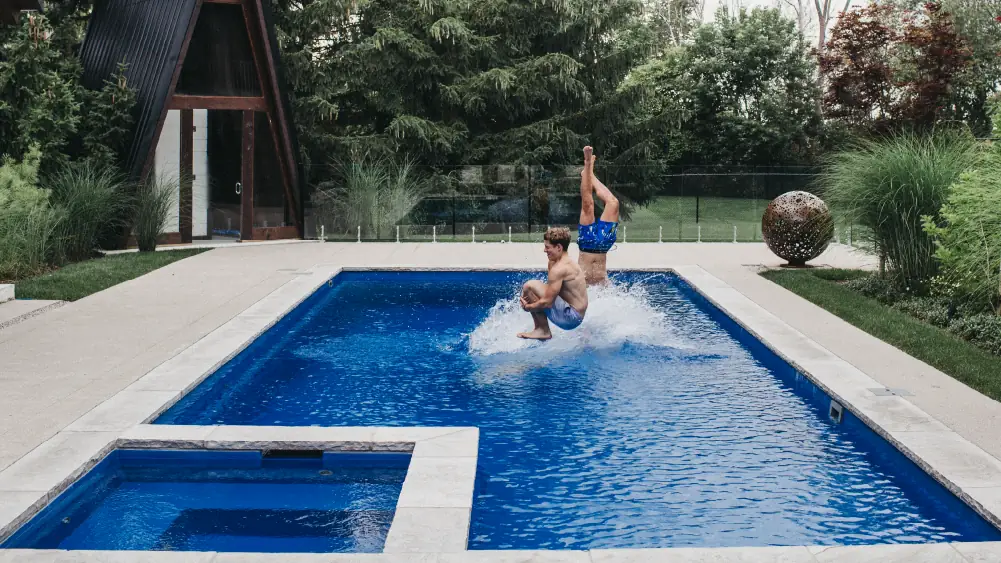
Adding a pool to your backyard is a significant investment that can transform your outdoor space into a private oasis. However, choosing the right pool involves more than just picking a design that looks appealing. It requires careful consideration of various factors, including your budget, available space, maintenance requirements, and long-term usage. This comprehensive guide will help you navigate the process of selecting the perfect pool for your backyard.
Assessing Your Space and Budget
The first step in choosing the right pool is assessing the available space in your backyard. Measure the area where you plan to install the pool and consider the surrounding landscape. The size and shape of your yard will influence the type of pool that will fit best. For instance, a small backyard might be better suited for a plunge pool or a compact fiberglass pool, while larger spaces can accommodate expansive designs, such as lap pools or infinity pools.
Budget is another critical factor. Pools come in a wide range of prices depending on the type, size, and additional features. In-ground pools are typically more expensive than above-ground pools due to the construction process and materials used. Additionally, consider the ongoing costs of maintenance, water, electricity, and potential repairs. Having a clear budget will help you narrow down your options and avoid unexpected expenses.
Understanding Pool Types
There are several types of pools to choose from, each with its own set of advantages and considerations. Here’s a breakdown of the most common pool types:
-
In-Ground Pools
- Concrete Pools: These are the most customizable and durable, allowing for unique shapes and designs. However, they are also the most expensive and time-consuming to install.
- Fiberglass Pools: These are pre-molded and installed as a single piece. They require less maintenance than concrete pools and have a quicker installation time, but they are limited in size and shape options.
- Vinyl-Lined Pools: These pools use a flexible liner that fits into a pre-dug hole. They are more affordable than concrete and fiberglass pools but may require liner replacements every 7-10 years.
-
Above-Ground Pools
- Steel Frame Pools: Durable and long-lasting, these pools are easy to assemble and disassemble. They are a cost-effective option but might not blend seamlessly with your backyard aesthetic.
- Inflatable Pools: Ideal for temporary use, inflatable pools are budget-friendly and easy to set up. However, they are less durable and typically smaller, making them suitable for families with young children.
Considering Maintenance and Upkeep
Maintenance is a crucial aspect of pool ownership. Different pool types require varying levels of care, so it’s essential to choose one that fits your lifestyle. Concrete pools, for example, require regular cleaning, chemical balancing, and resurfacing every 10-15 years. Fiberglass pools are easier to maintain due to their smooth surface, which resists algae growth. Vinyl-lined pools need careful handling to avoid tears or punctures.
You should also consider the equipment needed for maintenance, such as pumps, filters, and heaters. Energy-efficient options can save you money in the long run. Additionally, automated cleaning systems and covers can reduce the time you spend on upkeep, allowing you to enjoy your pool more.
Safety and Legal Considerations
Before installing a pool, it’s important to check local regulations and obtain the necessary permits. Some areas have specific requirements for pool fencing, alarms, and safety features to prevent accidents. Ensure your pool meets all safety standards to protect your family and comply with the law.
Incorporating safety features, such as non-slip surfaces, pool covers, and secure gates, is also crucial. If you have children or pets, consider installing a pool fence with a self-latching gate to prevent unsupervised access.
Enhancing Aesthetics and Functionality
The design of your pool should complement your home and landscape. Consider the pool’s shape, materials, and surrounding features, such as decking, landscaping, and lighting. Adding elements like waterfalls, slides, or a hot tub can enhance both the aesthetics and functionality of your pool area.
Lighting is another key element that can transform your pool into a nighttime retreat. LED lights, for example, are energy-efficient and come in various colors, allowing you to create a unique ambiance.
Conclusion
Choosing the right pool for your backyard requires careful planning and consideration of various factors, including space, budget, maintenance, and safety. By understanding the different types of pools available and assessing your specific needs, you can make an informed decision that enhances your outdoor space and provides years of enjoyment. Whether you opt for a luxurious in-ground pool or a budget-friendly above-ground option, your new pool will become the centerpiece of your backyard oasis.
