
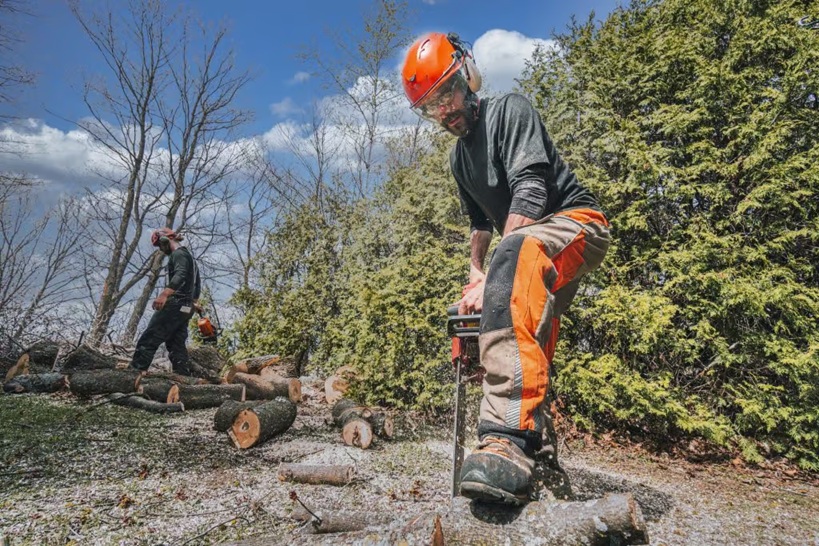
Tree cutting is never quite as simple as it appears from the outside. What looks like a straightforward removal operation is, in most jurisdictions, embedded within a web of regulations, permit requirements, and environmental obligations that exist for very good reason. Trees are not merely private property. They are functioning components of a broader ecological system, and the rules governing their removal reflect a growing understanding of just how much we stand to lose when we treat them otherwise.
Why Regulations Around Tree Cutting Exist
The regulatory frameworks that govern tree removal did not emerge arbitrarily. They developed in response to decades of evidence showing what happens when urban and peri-urban tree cover is depleted without oversight. The consequences are measurable: increased surface temperatures, reduced air quality, accelerated stormwater runoff, and the fragmentation of wildlife corridors that depend on canopy continuity.
In cities across the world, planners and ecologists have been making the same uncomfortable observation. The trees that provide the greatest ecological value, mature specimens with broad canopies and established root systems, are precisely the ones most likely to be targeted for removal when they begin to interfere with development or infrastructure. Regulations are, in effect, the mechanism by which society insists on a longer view.
Singapore’s Regulatory Framework
Few places illustrate the sophistication of modern tree cutting regulation more clearly than Singapore. The National Parks Board (NParks) administers a comprehensive system that governs which trees can be removed, under what circumstances, and by whom.
Under the Parks and Trees Act, any removal of a tree with a girth exceeding one metre, measured at 1.3 metres above ground level, on land classified as a-controlled private land requires formal approval from NParks before tree felling can proceed. The application process involves submitting documentation that identifies the tree, explains the rationale for removal, and demonstrates that alternatives have been considered.
Singapore’s heritage tree scheme adds another layer of protection. The more than 280 trees currently listed under this programme are afforded the highest level of regulatory safeguarding. Any activity that could affect their health or structure, including construction work within their root protection zones, requires prior consultation and approval. These are not trees that can be quietly removed over a weekend. They are, in a meaningful sense, public assets held in private custody.
Understanding Permit Requirements
The specific permit requirements for tree cutting vary considerably between countries, and even between local authorities within the same country. However, several common principles tend to apply across different systems.
Factors that typically trigger a permit requirement include:
- Trees above a certain trunk diameter or canopy spread, as defined by local ordinance
- Trees located within designated conservation areas, green corridors, or heritage zones
- Trees adjacent to waterways, where root systems contribute to bank stability
- Trees identified as habitat for protected species
- Removal associated with development or land-use change
The consequences of proceeding without the required permits can be severe. Fines for unlawful tree removal in Singapore can reach tens of thousands of dollars, and enforcement is taken seriously. Beyond the financial penalties, there is the reputational and legal exposure that comes with demonstrating disregard for environmental obligations.
Before any tree cutting work is commissioned, it is worth investing the time to understand exactly what approvals are required for the specific site and species involved.
Environmental Considerations in Tree Removal
Assessing Ecological Value
Not all trees carry the same ecological weight, and a responsible approach to tree cutting services begins with honest assessment of what is actually being removed. A mature rain tree in an urban park is not equivalent to a young ornamental planted three years ago. Age, species, canopy spread, and habitat function all contribute to a tree’s ecological value, and that value should inform the decision-making process.
Trees provide habitat for a range of species, including birds, bats, insects, and epiphytic plants, that may have no viable alternative if the host tree is removed. In Singapore, where green spaces are carefully managed but also genuinely biodiverse, NParks assessments routinely consider whether a tree under review is functioning as active habitat before any removal recommendation is made.
Minimising Collateral Damage
When tree felling is approved and necessary, the manner in which the work is carried out has significant environmental implications. Key considerations include:
- Timing removal outside of known nesting or breeding seasons for resident wildlife
- Protecting the root zones of neighbouring trees from machinery compaction
- Disposing of wood material responsibly, through chipping for mulch or processing for timber where feasible
- Avoiding soil disturbance beyond what is strictly necessary for the operation
The Replanting Obligation
Many regulatory systems now include a replanting requirement as a condition of tree removal approval. In Singapore, developers who remove trees as part of approved projects are typically required to replant at a ratio that reflects the canopy area lost. This is not a perfect solution. A newly planted tree does not replace the ecological function of a fifty-year-old specimen. But it does establish a trajectory toward recovery rather than net loss.
The replanting obligation is, in a broader sense, a statement of ecological accountability. It acknowledges that tree cutting creates a debt to the environment, and that debt requires active repayment.
Navigating the Process Responsibly
The regulatory and environmental landscape surrounding tree cutting can feel complex, particularly for property owners encountering it for the first time. The most reliable approach is to engage a qualified arborist early, before any decisions are made, and to treat the permit process not as an obstacle but as an opportunity to ensure that the decision being made is genuinely the right one. The trees that are lost to poor process are rarely the ones anyone intended to remove. That is precisely why the regulations exist, and precisely why tree cutting demands the same rigour we would bring to any consequential environmental decision.
