
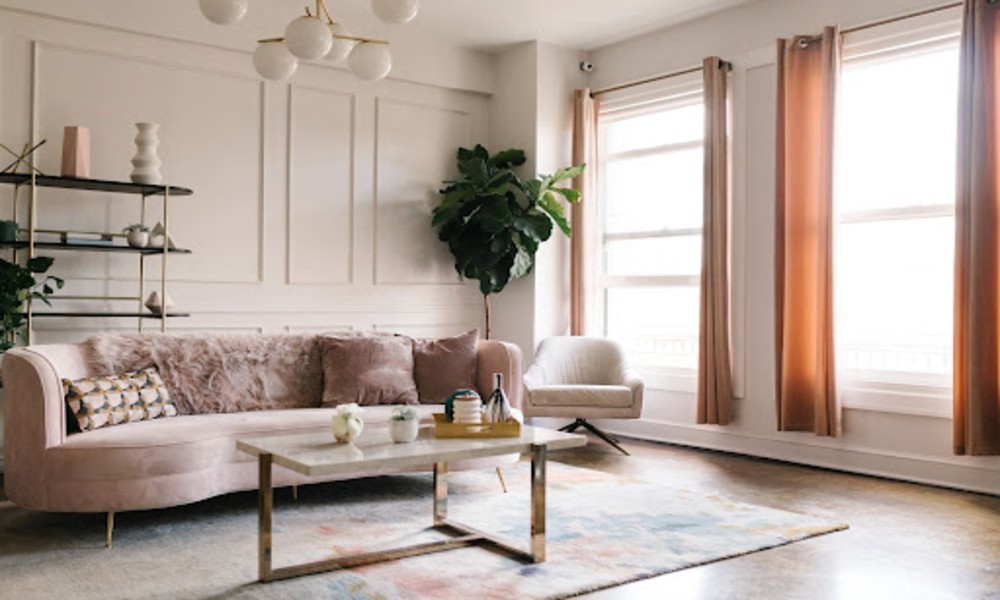
Space planning is a crucial aspect of interior design that involves organizing furniture and decor in a way that optimizes a room’s functionality while enhancing its aesthetic appeal. Whether you live in a cozy apartment or a spacious house, mastering the art of space planning can help you make the most of your home’s layout, creating a harmonious and efficient living environment. Here’s how to approach space planning to maximize your home’s potential.
-
Understanding the Basics of Space Planning
Before diving into specific strategies, it’s essential to understand the basics of space planning. This process involves analyzing how space is used and arranging furniture and decor in a way that meets both functional and aesthetic needs.
Why Space Planning Matters
Effective space planning ensures that each room in your home serves its intended purpose while remaining comfortable and visually appealing. It helps prevent overcrowding, improves traffic flow, and makes your home feel more spacious and organized.
Key Principles of Space Planning
Consider the purpose of each room, the activities that will take place there, and how people will move through the space. These considerations will guide your decisions on furniture placement, lighting, and decor, ensuring that your home is both practical and inviting.
-
Maximizing Small Spaces
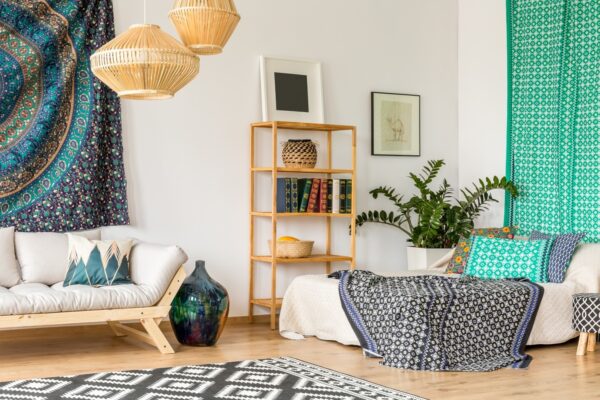
When dealing with smaller spaces, space planning becomes even more critical. The goal is to make the most of every square foot without making the room feel cramped or cluttered.
The Importance of Multi-Functional Furniture
One of the most effective ways to maximize a small space is by using multi-functional furniture. Pieces like sofa beds, extendable dining tables, and storage ottomans serve multiple purposes, saving space while maintaining functionality.
Creating Visual Space
In addition to choosing the right furniture, creating visual space is key in smaller rooms. Use light colors on walls and floors to make the room feel larger. Incorporate mirrors to reflect light and create the illusion of depth. Also, consider using vertical storage solutions to keep the floor clear and make the most of your room’s height.
-
Optimizing Large Spaces
While large spaces offer more flexibility, they also present unique challenges. Without proper planning, a spacious room can feel empty or lack cohesion.
Zoning for Functionality
In large rooms, zoning is an effective strategy to create distinct areas for different activities. Use rugs, furniture placement, or even partial walls to define areas for lounging, dining, and working. This approach not only adds structure to a large space but also makes it more functional.
Balancing Scale and Proportion
When furnishing a large space, it’s important to balance scale and proportion. Choose larger furniture pieces that fill the space without overwhelming it. Additionally, using bold colors or statement pieces can help anchor the room and add visual interest.
-
Considering Traffic Flow
Traffic flow is a critical aspect of space planning, influencing how people move through your home. Poor traffic flow can make a space feel uncomfortable or impractical, no matter how well-decorated it is.
Planning for Easy Movement
Ensure there is enough space between furniture pieces to allow for easy movement. In living rooms, for example, there should be clear pathways that lead to doorways and other parts of the house. Avoid placing furniture in areas that block natural traffic routes.
Adapting to Your Lifestyle
Consider your lifestyle and how it affects traffic flow. For instance, if you frequently entertain guests, you’ll need to plan for larger gathering spaces with open pathways. If you have children, ensure that play areas are easily accessible yet separate from high-traffic zones.
-
Incorporating Personal Style
While functionality is key, your home should also reflect your personal style. Space planning offers an opportunity to blend practicality with aesthetics, creating a space that is uniquely yours.
Integrating Style with Function
Choose furniture and decor that align with your personal taste while fulfilling the functional needs of the space. For example, if you love mid-century modern design, opt for sleek, functional pieces that also enhance the room’s usability. Use color, texture, and decor to express your personality without compromising on space efficiency.
Staying Flexible
As your needs change, be open to adjusting your space planning. Flexibility allows your home to evolve with you, ensuring it remains a comfortable and functional space over time.
