
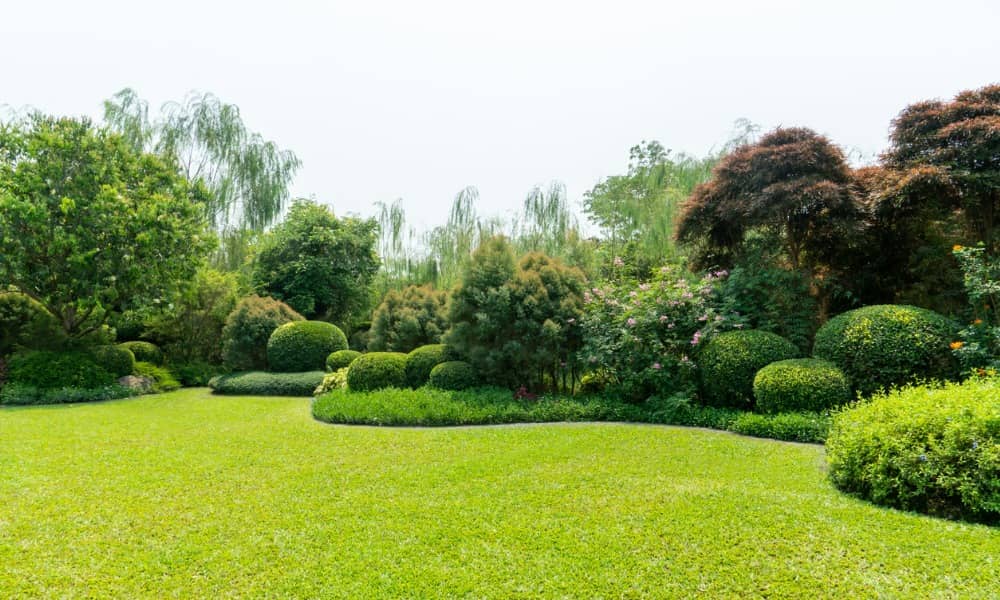
In the heart of a bustling city like Singapore, where every inch of green breathes life into urban spaces, landscape maintenance is not just a necessity but a commitment to harmony between man and nature. With over 47% of the city-state covered in greenery, maintaining lush parks, roadside gardens, and residential landscapes requires thoughtful care and attention. Let’s delve into the art and science of landscape maintenance and its profound impact on the city’s aesthetic and environmental goals.
Why Landscape Maintenance Matters in Singapore

Singapore’s reputation as a “Garden City” is no accident. The government’s concerted efforts to integrate greenery into urban planning have resulted in a vibrant ecosystem where nature thrives alongside skyscrapers. Regular landscape maintenance ensures that these spaces:
- Remain visually appealing: Beautifully maintained greenery enhances the city’s charm and increases property values.
- Promote biodiversity: Proper care supports native flora and fauna, fostering ecological balance.
- Improve air quality: Green spaces help filter pollutants and produce oxygen, vital in a densely populated city.
- Enhance mental health: Research shows that access to well-maintained greenery reduces stress and promotes well-being.
According to Singapore’s National Parks Board (NParks), well-maintained green spaces contribute to the city’s sustainability goals, such as reducing urban heat by 3-4°C in areas with dense greenery.
Key Components of Effective Landscape Maintenance
Maintaining landscapes in Singapore’s tropical climate requires a combination of strategies tailored to the environment:
1. Regular Pruning and Trimming
Keeps plants healthy by removing dead or overgrown branches.
Ensures safety by preventing trees from interfering with electrical lines or structures.
2. Weeding and Pest Control
Eliminates invasive species that compete with native plants.
Protects plants from harmful pests while minimising the use of chemical pesticides.
3. Irrigation Management
Prevents waterlogging or drought stress with efficient systems like drip irrigation.
Saves water while ensuring plants get the hydration they need.
4. Soil Health Monitoring
Regular soil testing ensures optimal nutrient levels.
Adding compost or organic matter improves soil structure and fertility.
5. Seasonal Planting
Rotating seasonal plants keeps landscapes vibrant and aligns with weather patterns.
Incorporates native species that require less maintenance and adapt better to local conditions.
The Role of Technology in Landscape Maintenance
Technology has revolutionised how landscapes are maintained, making the process more efficient and sustainable:
- Automated Irrigation Systems: Smart systems ensure water efficiency, especially during Singapore’s dry spells.
- Drones for Inspections: These help monitor large areas, identifying pest infestations or plant health issues.
- AI-Powered Tools: Predictive software helps plan maintenance schedules and optimise resource use.
- Electric Equipment: Reduces noise pollution and carbon emissions compared to traditional machinery.
These innovations not only save time and effort but also align with Singapore’s Smart Nation initiative, where technology drives sustainability.
Challenges in Landscape Maintenance
Despite its importance, landscape maintenance in Singapore faces unique challenges:
- Tropical Weather Extremes: Heavy rains followed by intense heat can stress plants, requiring adaptive strategies.
- Urban Constraints: Limited space and high population density necessitate creative solutions, such as vertical gardens.
- Labour Shortages: The physical demands of maintenance and an ageing workforce present ongoing issues.
To address these challenges, the government provides subsidies and training programs, encouraging innovation and skill development in the landscaping industry.
Benefits of Professional Landscape Maintenance Services
Engaging professionals for landscape maintenance offers numerous advantages:
- Expertise: Trained horticulturists and landscapers understand the nuances of plant care, ensuring optimal growth.
- Customised Solutions: Services tailored to specific needs, whether it’s a small garden or a large park.
- Consistency: Regular upkeep ensures that greenery remains vibrant and healthy year-round.
- Time Savings: Outsourcing maintenance frees individuals and businesses to focus on other priorities.
For instance, NParks works with over 250 landscaping companies across Singapore, ensuring high standards in public and private green spaces.
The Economic and Environmental Impact
Investing in landscape maintenance is not just about aesthetics—it’s a long-term commitment to environmental and economic sustainability:
- Property Value Increases: Studies show that properties with well-maintained landscapes can see a 5-20% higher valuation.
- Climate Mitigation: Green spaces reduce urban heat, improve air quality, and absorb carbon dioxide.
- Energy Savings: Trees and plants provide natural cooling, reducing energy consumption for air conditioning by up to 10%.
- Community Well-Being: Well-maintained landscapes encourage outdoor activities, fostering stronger social connections.
Useful Statistics on Landscape Maintenance in Singapore
- 1,700 parks: Managed by NParks, showcasing Singapore’s commitment to greenery.
- 47% green cover: Among the highest in the world for urban areas.
- $2.3 billion industry: The landscaping sector significantly contributes to Singapore’s economy.
These numbers highlight the vital role landscape maintenance plays in shaping the city’s identity and future.
Tips for Sustainable Landscape Maintenance
Adopting sustainable practices ensures that landscapes thrive while minimising environmental impact:
- Choose Native Plants: They require less water and are better adapted to the climate.
- Compost Green Waste: Recycling organic matter reduces waste and enriches soil.
- Use Energy-Efficient Tools: Opt for electric or manual equipment to lower carbon emissions.
- Install Rainwater Harvesting Systems: Collect rainwater for irrigation to conserve resources.
- Schedule Regular Maintenance: Consistency is key to preventing overgrowth and maintaining plant health.
A Greener Future Through Landscape Maintenance
Landscape maintenance in Singapore is more than a task; it’s a responsibility that reflects our values as stewards of the environment. Every trimmed branch, watered flower, and nourished patch of soil contributes to a city where nature and urbanity coexist harmoniously.
As Singapore continues to grow, the importance of maintaining its lush green spaces cannot be overstated. The care we invest today ensures a vibrant, sustainable future for generations to come. Whether it’s a home garden or a sprawling park, prioritising landscape maintenance strengthens Singapore’s legacy as a true Garden City.
