
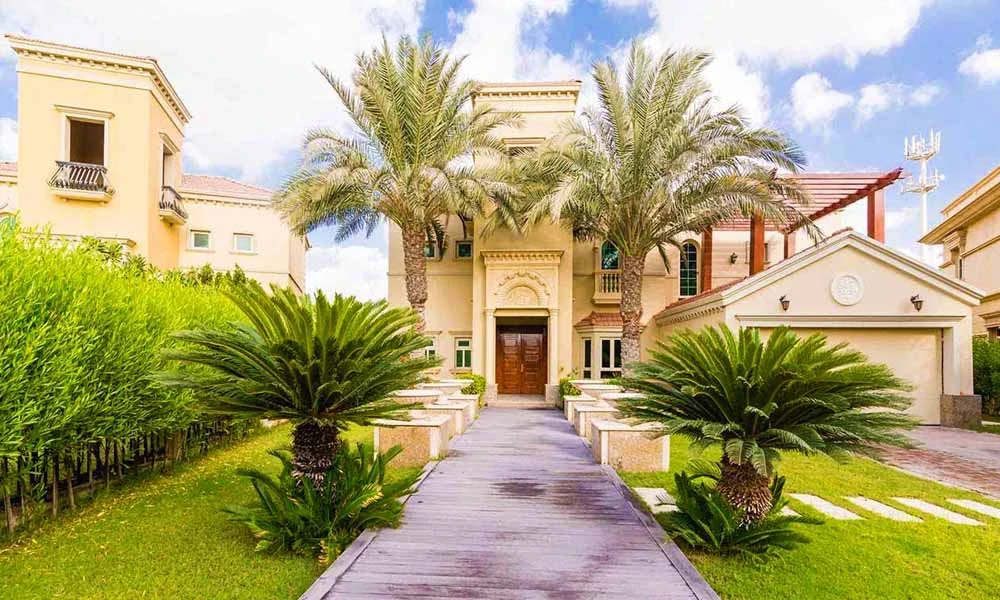
Landscaping a small outdoor area can be both challenging and rewarding. With the right approach, even the tiniest spaces can be transformed into lush, functional, and aesthetically pleasing retreats. Whether you have a small backyard, patio, or balcony, thoughtful landscaping paired with well-placed fences can create structure, privacy, and charm. A skilled fencer can help you choose the right fence style to suit your space, while also advising on materials that complement your garden design. If you’re dealing with existing boundary issues or damage, investing in fencing repairs can restore both safety and visual appeal. Many homeowners find that hiring a fencing contractor near me is the most efficient way to ensure a high-quality finish. Whether it’s for decorative purposes or security, the right fencing makes a huge difference in how your space looks and functions.
Embrace Vertical Gardening
When space is limited, think vertically. Vertical gardening is a brilliant solution for small spaces as it allows you to maximize plantable areas without sacrificing square footage. Use trellises, wall-mounted planters, or even hanging baskets to create a garden that grows upwards. Vertical gardens are not only practical but also add visual interest, drawing the eye upwards and making the space feel larger.
Incorporate Multi-Functional Furniture
In small outdoor spaces, every piece of furniture should serve more than one purpose. Consider using benches with built-in storage, foldable tables, or garden stools that can double as extra seating or plant stands. Multi-functional furniture helps keep the area clutter-free while providing the necessary amenities for relaxation and entertainment.
Use Mirrors to Create the Illusion of Space
Mirrors aren’t just for indoors—they can be a powerful tool in outdoor spaces as well. By strategically placing a mirror on a wall or fence, you can create the illusion of a larger space. Mirrors reflect light and greenery, making your small garden feel more expansive and inviting.
Opt for a Cohesive Color Scheme
A cohesive color scheme can significantly impact the perceived size of your outdoor area. Choose a limited palette of complementary colors for your plants, furniture, and accessories. Lighter shades tend to open up a space, while too many contrasting colors can make it feel cluttered and smaller. A unified color scheme helps create a sense of harmony and spaciousness.
Create Zones for Different Activities
Even in a small space, you can create distinct zones for different activities, such as dining, lounging, or gardening. Use planters, outdoor rugs, or small partitions to define each area. Creating zones not only adds functionality but also helps organize the space, making it feel larger and more purposeful.
Choose the Right Plants
Selecting the right plants is crucial when landscaping a small space. Opt for plants that are proportionate to the size of your area. Dwarf varieties, container plants, and succulents are excellent choices as they don’t overwhelm the space. Consider using a mix of evergreen and seasonal plants to ensure your garden remains vibrant year-round.
Incorporate Water Features
Water features, such as a small fountain or birdbath, can add a sense of tranquility and elegance to your outdoor space. Even in the smallest of gardens, the sound of water creates a peaceful atmosphere and can help mask urban noise. Opt for compact, low-maintenance water features that fit seamlessly into your design.
Maximize Your Space with Smart Lighting
Lighting plays a crucial role in small space landscaping, especially if you plan to use the area in the evening. String lights, solar-powered garden lights, and lanterns can create a warm and inviting ambiance. Well-placed lighting also highlights key areas of your garden, enhancing its overall appearance and making the space feel larger.
Add Personal Touches
Small spaces offer a unique opportunity to showcase your personality through design. Incorporate personal touches like handcrafted garden ornaments, custom planters, or your favorite outdoor artwork. These elements make the space feel like an extension of your home and add to its charm and character.
Keep It Simple
Simplicity is key when landscaping small spaces. Avoid overcrowding with too many plants or decor items. Instead, focus on a few key elements that serve both functional and aesthetic purposes. A well-curated, simple design can make a small space feel open and welcoming rather than cramped.
