
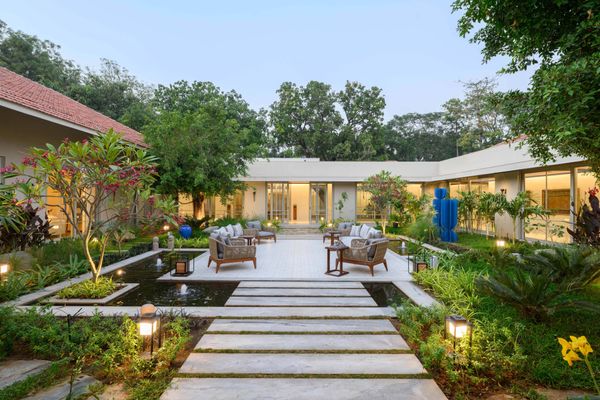
Hardscaping plays a crucial role in landscape design, adding structure, functionality, and aesthetic appeal to outdoor spaces. Whether you’re planning a new garden or renovating an existing one, understanding the importance of hardscaping can help you create a balanced and visually appealing environment. This complete guide will explore the various aspects of hardscaping and how it enhances landscape design.
What is Hardscaping?
Hardscaping refers to the non-living elements in landscape design, such as pathways, patios, walls, and other architectural features. These elements provide the framework for your outdoor space, complementing the softscape elements like plants, trees, and flowers. Hardscaping is essential for creating functional outdoor areas that can be enjoyed year-round.
Types of Hardscaping Features
There are various hardscaping features that can be incorporated into landscape design, each serving a specific purpose:
- Patios and Decks: Provide outdoor living spaces for dining, entertaining, or relaxing.
- Walkways and Pathways: Connect different areas of the garden and guide foot traffic.
- Retaining Walls: Help manage soil erosion and create level planting areas on sloped terrain.
- Fences and Screens: Offer privacy and security while defining property boundaries.
- Water Features: Include fountains, ponds, and waterfalls that add tranquility and visual interest.
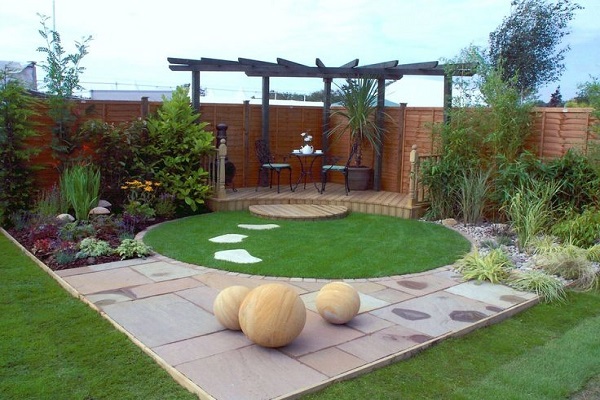
The Importance of Hardscaping in Landscape Design
Hardscaping is more than just adding stones and bricks to your garden; it’s about creating a harmonious balance between the natural and man-made elements. When done correctly, hardscaping enhances the overall aesthetic of your landscape, improves functionality, and adds value to your property.
Enhancing Aesthetics
Hardscaping elements like stone pathways, wooden decks, and brick walls add texture and contrast to your landscape. These materials provide a visual break from the greenery and flowers, creating a more dynamic and interesting environment. Additionally, hardscaping can be used to highlight focal points in your garden, such as a water feature or a sculpture.
Improving Functionality
Functionality is a key aspect of landscape design, and hardscaping plays a vital role in this regard. By incorporating patios, walkways, and retaining walls, you can create outdoor spaces that are not only beautiful but also practical. For example, a well-placed walkway ensures that foot traffic doesn’t damage your lawn or flower beds, while a retaining wall can prevent soil erosion on a sloped property.
Increasing Property Value
Investing in quality hardscaping can significantly increase the value of your property. Well-designed outdoor spaces are highly desirable to potential buyers, as they provide additional living areas and enhance curb appeal. Features like patios, outdoor kitchens, and fire pits are particularly popular and can offer a high return on investment.
Planning Your Hardscape Design
Before diving into hardscaping, it’s essential to have a well-thought-out plan. Consider the following factors when planning your hardscape design:
Assess Your Space
Start by assessing the available space and the existing landscape. Consider the layout, topography, and natural features of your property. This will help you determine which hardscaping elements are suitable for your space and where they should be placed.
Define the Purpose
Think about how you want to use your outdoor space. Are you looking to create an area for entertaining, a peaceful retreat, or a functional garden? Defining the purpose of your space will guide your hardscaping choices and ensure that the design meets your needs.
Choose Materials Wisely
The materials you choose for your hardscaping elements will impact both the aesthetics and longevity of your landscape. Consider factors like durability, maintenance requirements, and how the materials complement your home’s architecture. Popular options include natural stone, concrete, brick, and wood.
Integrating Hardscaping with Softscaping
A successful landscape design seamlessly integrates hardscaping with softscaping elements. The key is to create a balanced composition that enhances the natural beauty of your garden while providing structure and functionality.
Balance and Proportion
Ensure that the hardscaping elements are proportionate to the size of your garden. Overwhelming the space with too much hardscape can make it feel cramped and uninviting, while too little may result in a lack of structure. Aim for a harmonious balance that allows both the hardscaping and softscaping to shine.
Complementary Colors and Textures
When selecting materials, consider how their colors and textures will interact with the plants and flowers in your garden. For example, a rustic stone wall can complement a cottage garden, while sleek concrete pavers may suit a modern landscape. The goal is to create a cohesive look that ties the entire space together.
Conclusion
Hardscaping is an integral part of landscape design that provides structure, functionality, and aesthetic appeal. By thoughtfully incorporating hardscape elements into your outdoor space, you can create a balanced and beautiful environment that enhances your property’s value and offers endless enjoyment. Whether you’re adding a simple pathway or designing an elaborate patio, understanding the role of hardscaping will help you achieve a landscape that is both practical and visually stunning.
