
Introduction
Beni Ourain rugs are more than just decorative pieces—they are woven stories of tradition, heritage, and artistry. Originating from the Berber tribes of Morocco’s Atlas Mountains, these handwoven rugs have been a part of North African culture for centuries. While they have gained immense popularity in contemporary interior design, their true essence lies in their rich history and cultural significance. In this article, we explore the origins, symbolism, and enduring legacy of Beni Ourain rugs.
Origins of Beni Ourain Rugs
The Beni Ourain people are a group of Berber tribes that have historically inhabited the mountainous regions of Morocco. For generations, they have relied on their sheep’s high-quality wool to craft warm, durable rugs, which served both practical and spiritual purposes. These rugs were traditionally used as bedding, blankets, and even protective floor coverings in cold mountain climates.
Unlike mass-produced rugs, each Beni Ourain piece is unique, reflecting the individual weaver’s experiences, emotions, and cultural narratives. This heritage makes them not just functional home accessories but also pieces of art passed down through generations.
Symbolism and Meaning in Berber Designs
Beni Ourain rugs are characterized by their minimalist, abstract patterns, which often include geometric shapes, lines, and symbols. These motifs hold deep cultural significance and are believed to carry meanings such as:
- Protection: Certain symbols ward off negative energy and bring good fortune.
- Fertility and Motherhood: Diamond shapes often represent femininity and the hope for fertility.
- Nature and Life: Zigzag patterns can symbolize water, mountains, or the journey of life.
- Tribal Identity: Each rug tells a unique story tied to the weaver’s tribe and lineage.
Traditional Weaving Techniques
Authentic Beni Ourain rugs are crafted using time-honored weaving methods:
- Handwoven on Wooden Looms: Each rug is meticulously woven by hand, making no two rugs identical.
- Naturally Dyed Wool: The rugs typically maintain their natural ivory hue, though some feature subtle earthy tones.
- Knotting Technique: The density and craftsmanship of the knots determine the durability and quality of the rug.
- Months of Labor: Depending on size and complexity, a single rug can take several months to complete.
Beni Ourain Rugs in Modern Design
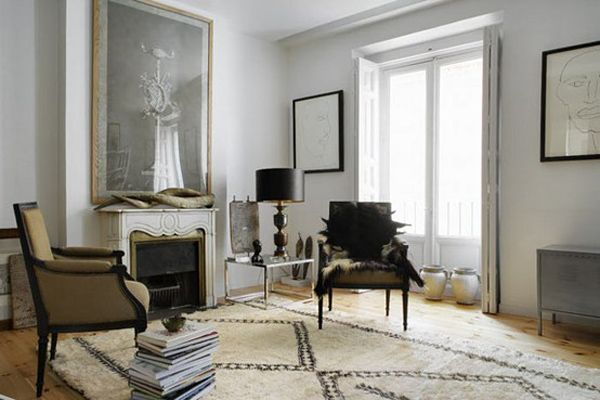
Despite their ancient roots, Beni Ourain rugs have seamlessly integrated into modern interior design. Their neutral color palette and timeless patterns complement various aesthetics, including:
- Scandinavian Minimalism: Their simplicity blends beautifully with clean, monochrome interiors.
- Bohemian & Eclectic Spaces: The handcrafted nature of these rugs adds warmth and texture to vibrant settings.
- Rustic & Farmhouse Interiors: Their organic wool material enhances cozy, nature-inspired spaces.
Why Preserving This Tradition Matters
As demand for Beni Ourain rugs increases worldwide, it is crucial to support ethical sourcing and fair-trade practices. Many authentic Berber artisans face competition from factory-made imitations, which undermine traditional craftsmanship. By investing in a genuine, handwoven rug, you are not only bringing home a unique piece of history but also contributing to the preservation of an ancient art form.
Conclusion
Beni Ourain rugs embody a legacy of craftsmanship, storytelling, and cultural heritage. From their origins in the Atlas Mountains to their presence in contemporary homes, these rugs have stood the test of time. Whether you appreciate them for their aesthetic appeal or their deep-rooted traditions, owning a Beni Ourain rug is a way to connect with history while enhancing the beauty of your home. Click here for more information.
