
Choosing the right HVAC (Heating, Ventilation, and Air Conditioning) system for your home is a crucial decision that impacts your comfort, energy efficiency, and long-term costs. With various options available, selecting the best system can be overwhelming. However, by considering a few key factors, you can make an informed choice that meets your specific needs. This article provides a comprehensive guide to help you choose the right HVAC system for your home.
Assessing Your Home’s Size and Layout
One of the most important factors to consider when choosing an HVAC system is the size and layout of your home. The system must be appropriately sized to heat and cool your space efficiently. A system that is too large will cycle on and off frequently, leading to energy waste and increased wear and tear. Conversely, a system that is too small will struggle to maintain a comfortable temperature, causing it to run constantly and drive up energy costs.
To determine the correct size, HVAC professionals use a calculation called the Manual J load calculation, which considers factors such as square footage, ceiling height, window size, and insulation. It’s essential to have a professional assess your home to ensure you select a system that matches your needs.
Understanding Different HVAC System Types
There are several types of HVAC systems available, each with its own set of advantages and considerations. Understanding the different options will help you choose the right system for your home:
- Split System: This is the most common type of HVAC system, consisting of an outdoor unit (condenser) and an indoor unit (evaporator). Split systems are suitable for homes with existing ductwork and offer efficient heating and cooling.
- Ductless Mini-Split System: Ideal for homes without ductwork, ductless mini-split systems provide both heating and cooling through individual units installed in each room or zone. They are highly energy-efficient and offer personalized comfort but may have higher upfront costs.
- Heat Pumps: Heat pumps are versatile systems that provide both heating and cooling by transferring heat between the indoors and outdoors. They are energy-efficient and work well in moderate climates but may require supplemental heating in colder regions.
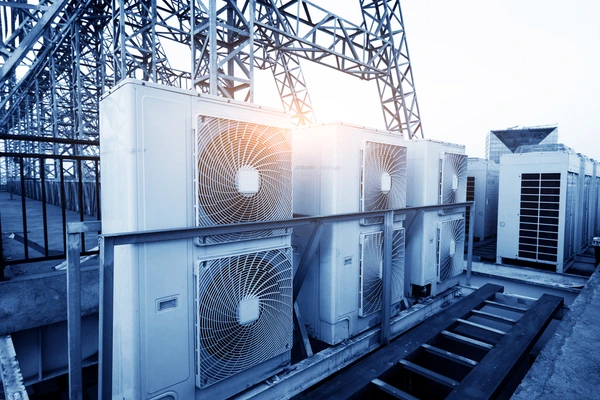
- Packaged Systems: In packaged systems, all components are housed in a single unit, typically installed on the roof or a concrete slab next to the home. These systems are common in homes with limited indoor space and are available in both gas and electric models.
Considering Energy Efficiency
Energy efficiency is a critical factor to consider when choosing an HVAC system, as it directly impacts your energy bills and environmental footprint. Look for systems with high SEER (Seasonal Energy Efficiency Ratio) ratings for cooling and high AFUE (Annual Fuel Utilization Efficiency) ratings for heating. The higher the rating, the more efficient the system.
Additionally, consider systems with ENERGY STAR certification, which indicates that the system meets strict energy efficiency guidelines set by the U.S. Environmental Protection Agency. Investing in an energy-efficient system may have a higher upfront cost but can lead to significant savings over time.
Evaluating the Climate in Your Area
The climate in your area plays a significant role in determining the type of HVAC system that will work best for your home. For example, in regions with hot summers and mild winters, a high-efficiency air conditioner combined with a furnace may be the best option. In contrast, homes in colder climates might benefit from a heat pump or a furnace with a higher AFUE rating.
If you live in an area with extreme temperatures, consider a dual-fuel system, which combines a heat pump with a gas furnace. This type of system can switch between the two energy sources depending on the temperature, optimizing efficiency and comfort.
Considering Indoor Air Quality
Indoor air quality is an often-overlooked aspect of HVAC systems. Some systems come with built-in air purifiers, dehumidifiers, and ventilation options that improve indoor air quality by filtering out pollutants, controlling humidity levels, and ensuring fresh air circulation. If you or your family members suffer from allergies, asthma, or other respiratory issues, consider an HVAC system with advanced air quality features.
Budget and Installation Costs
Your budget is a crucial factor in determining the right HVAC system for your home. While it’s essential to consider the upfront costs, also factor in long-term operating costs, including energy bills, maintenance, and potential repairs. Sometimes, spending more on an energy-efficient system with advanced features can save you money in the long run.
Installation costs can vary depending on the complexity of the system and the need for additional components like ductwork or electrical upgrades. It’s advisable to get multiple quotes from reputable HVAC contractors to ensure you receive a fair price.
Conclusion
Choosing the right HVAC system for your home requires careful consideration of several key factors, including the size and layout of your home, the different types of systems available, energy efficiency, climate considerations, indoor air quality, and your budget. By taking the time to assess these factors and consulting with a professional, you can select an HVAC system that provides optimal comfort, efficiency, and value for years to come.
