
Asbestos was a common building material for much of the twentieth century, highly valued for its fire resistance and structural durability. While these physical properties made it a popular choice for construction, the mineral poses significant health risks when disturbed and released into the air. Understanding the nature of these hazards is essential for residents of properties built before the mid-1980s. Recognizing how these particles interact with the body helps homeowners take proactive steps to safeguard their long-term respiratory health.
How inhalation leads to chronic lung damage
Microscopic mineral fibers can bypass the body’s natural respiratory filters if inhaled. Once deep within the lungs, these rigid filaments trigger inflammation and persistent scarring that remains trapped for decades. Residents can learn more about how asbestos poses a health risk by reviewing clinical health documentation regarding airway inflammation.
The biological link between asbestos fibers and lung cancer
The connection between inhaled mineral fibers and lung cancer stems from repeated irritation of the lung lining. Long-term cellular damage disrupts normal tissue repair processes, which can eventually initiate malignant tumor growth. Medical research indicates that fibers remain lodged indefinitely in tissue, consistently stimulating cellular damage and inflammation over several decades.
The role of long latency periods in disease development
Many individuals remain unaware of the health risks associated with older buildings because asbestos-related illnesses often take a significant amount of time to emerge. The latency period for diseases like mesothelioma can span fifteen to thirty years or more after the initial encounter. This delayed onset creates challenges in linking current respiratory symptoms to past environmental conditions within the home.
Distinguishing between asbestosis, mesothelioma, and lung cancer
While each condition is linked to the inhalation of dangerous fibers, they impact the respiratory system in distinct, severe ways. Asbestosis is characterized by progressive scarring of the lung tissue, whereas mesothelioma is a fast-moving, aggressive cancer affecting the lining of the lungs or abdomen. Standard lung cancer is also observed at a higher frequency in individuals who have experienced significant and prolonged exposure to these airborne particulates.
Common locations of asbestos in older residential structures
Recognizing where these hardy mineral fibers were traditionally applied is the first step in managing potential risks in vintage properties. Construction trades used these materials extensively for their insulating and fire-resistant qualities, masking them within common building components. Many of these elements remain hidden behind walls, under subflooring, or inside utility spaces for decades. Identifying these zones requires careful attention to the building’s age and a basic understanding of original construction specifications.
Structural insulation in attics and wall cavities
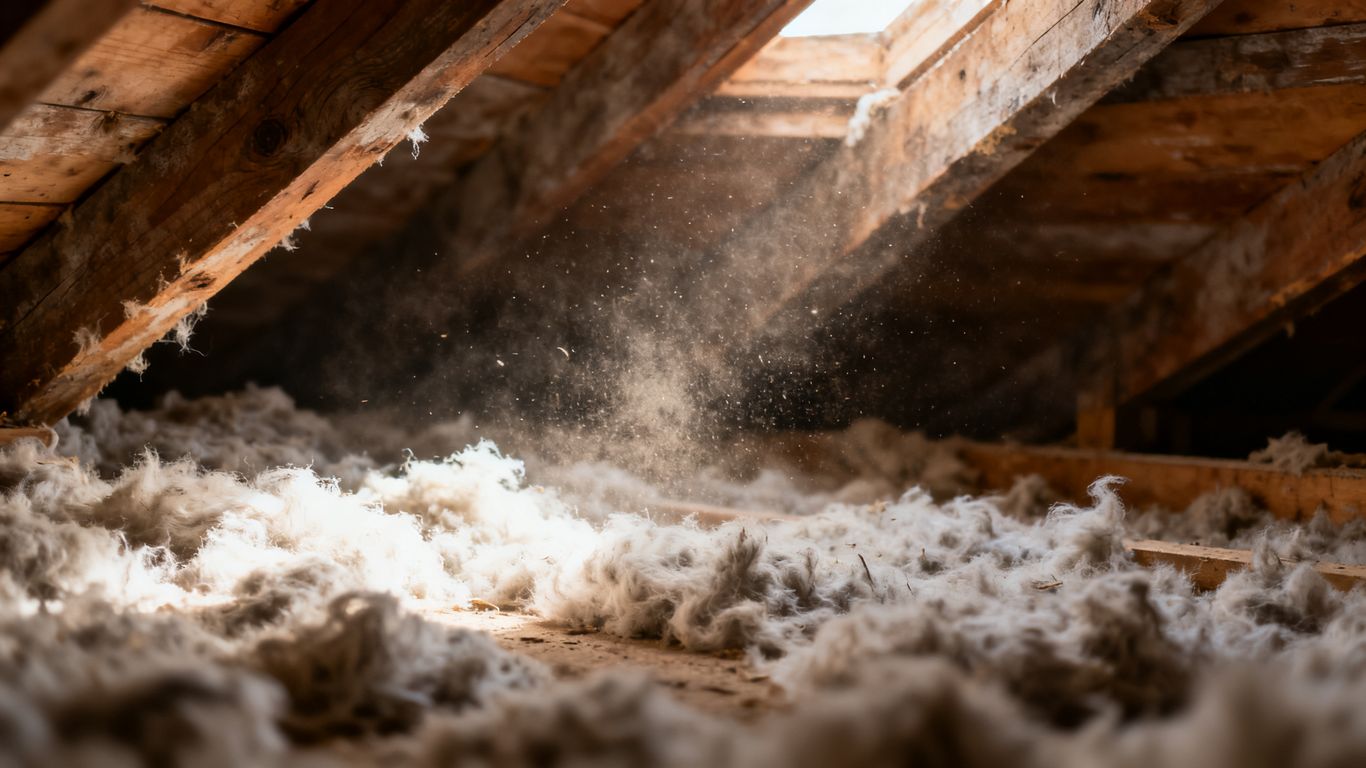
Insulation is one of the most common locations where materials are found, particularly in attics or voids around wall studs. Older loose-fill products sometimes contained asbestos, especially in cases where vermiculite was used as a bulk filler. Evaluating potential risks in your home involves reviewing external documentation about asbestos in older homes and its historical application sites.
Flooring materials and adhesive mastic
Vinyl floor tiles and the adhesive used to secure them to the subfloor often incorporated asbestos to enhance material toughness and resistance to wear. These tiles can be brittle, causing them to release dust when cracked, sanded, or pulled up during home renovations. Even the backing on certain types of vintage sheet flooring can contain these fibers, necessitating significant caution and professional oversight during any floor restoration project.
Ceiling textures and plaster components
Textured ceiling treatments, often colloquially called popcorn ceilings, were frequently finished with coatings containing asbestos fibers before they were widely phased out. Plaster components in walls and joints may also conceal these hazardous materials. When renovating, homeowners should remain alert to the following signs:
- Loose, fibrous debris found lurking in wall cavities
- Brittle floor tiles during demolition processes
- Damaged pipe insulation in damp or dark basements
- Cracked plaster or textured wall finishes showing signs of age
Removing these materials without professional oversight creates high airborne fiber concentrations that settle throughout the living space. By identifying these hazards before beginning any work, residents can drastically reduce the risk of accidental exposure.
HVAC and plumbing system insulation
Plumbing pipes and heating ducts in many older structures were wrapped in insulating materials to maintain temperature stability. These wraps were frequently composed of asbestos-containing paper or batting that degrades over time. When these materials become damaged or start to fray, they release fine particles directly into the ventilation systems, potentially circulating them throughout every room.
How home maintenance triggers asbestos fiber release
The distinction between stable and friable asbestos marks the difference between a managed environment and a hazardous one. Asbestos that is sealed and in good condition typically does not pose an immediate danger, but this changes the moment material is broken or disturbed. Homeowners should understand how routine activities impact the integrity of these materials. Planning maintenance projects with a clear understanding of material composition is a critical safety step.
The distinction between stable and friable asbestos
Stable asbestos is bound within a matrix of other materials, such as cement or vinyl, meaning it does not readily release fibers unless it is physically damaged. Friable asbestos, by contrast, is loosely bound or brittle, allowing it to easily crumble into dust and release fibers when touched. Understanding the difference is vital for anyone who resides in a structure built before the 1980s.
Mechanical disturbance during routine renovation
Renovation projects often involve the physical act of demolishing walls, ripping up carpets, or scraping surfaces, all of which are primary events for fiber release. Mechanical force, whether from manual labor or powered tools, breaks the binding agent holding the asbestos in place. Even minor physical disturbances can result in the generation of dust that stays airborne for hours in a poorly ventilated space.
Risks posed by DIY home repairs and drilling
Attempting do-it-yourself repairs on drywall, siding, or insulation often happens without the homeowner realizing that underlying materials contain hazardous content. Drilling into an older wall can release a plume of contaminated plaster dust into the immediate work area. Because these operations are often performed in small, unventilated rooms, the occupant breathes in a high concentration of material before remediation options are even considered.
How airborne fibers migrate through ventilation systems
Airborne fibers are remarkably mobile and can easily travel through forced-air heating or cooling systems. Once particles are kicked up during a repair or cleaning, they are drawn into return vents and pushed into other rooms. This migration turns a localized problem, such as a loose basement wrap, into an issue that affects the air quality of the entire residence.
Evaluating your personal health risk factors
Every individual has a different baseline when it comes to respiratory health, and this influences how they respond to environmental hazards. While there is no known safe level for asbestos inhalation, individual health history plays a role in disease development. Factors such as smoke exposure and biological sensitivity modulate the long-term risk. Homeowners should perform a self-assessment based on their home environment and their specific physical profile to guide future safety decisions.
The cumulative impact of exposure duration and frequency
Health outcomes are deeply influenced by both the duration of the exposure and the frequency with which it occurs. Short, infrequent encounters with high concentrations of dust are serious, but prolonged, chronic exposure presents a greater statistical risk for the development of chronic disease. Maintaining a record of any known encounters with dusty, aging building materials can be useful for future medical consultations.
Synergistic health risks of smoking and asbestos inhalation
There is a well-documented synergistic effect between smoking cigarettes and the inhalation of asbestos fibers. Smokers who are also exposed to these fibers exhibit a significantly higher risk of developing lung cancer compared to those who have never smoked. The combined damage to lung tissue creates an environment where both substances effectively amplify one another’s harm.
Vulnerability based on pre-existing respiratory conditions
Individuals who already suffer from respiratory conditions such as chronic obstructive pulmonary disease or asthma should be particularly concerned about air quality in their homes. These pre-existing conditions mean the lungs may have reduced baseline function, making them less capable of clearing intrusive dust and particulates. Managing the environment strictly is often the safest path for these residents.
Considering the age of the structure and material degradation
As buildings age, the natural process of material degradation makes even previously sealed asbestos more susceptible to becoming friable. Moisture leaks, settling foundations, and general wear naturally break down structural components over forty or fifty years. Regular inspections focused on the physical state of the building’s infrastructure are the best way to anticipate these hazards.
Identifying and testing for suspected asbestos
It is common for homeowners to try to identify materials by appearance, yet visual inspection is notoriously unreliable. Many asbestos-containing products look identical to their modern, material-safe counterparts. Because there is no simple way to know for sure without scientific analysis, a structured, professional approach is always necessary. Relying on guesses or internet photos is a poor substitute for rigorous testing.
Why visual inspection cannot confirm asbestos presence
Asbestos is not a single, visually distinct product but a mineral fiber mixed into adhesives, tiles, and insulation. Because it has no unique smell, color, or shape, it remains invisible to the naked eye, regardless of how closely a homeowner examines the material. Trying to distinguish these materials without specialized training or analytical tools leads to misinformed conclusions.
The importance of hiring certified asbestos inspectors
Certified inspectors are trained to identify potential hotspots, collect samples according to strict safety protocols, and deliver results based on validated data. These experts understand where to look and, more importantly, how to collect those samples without releasing hazardous dust into the air of your living space. Working with certified professionals for testing eliminates the guesswork and ensures that any action taken is based on verified scientific evidence.
Standard laboratory testing procedures for residential samples
When a sample is taken, it is sent to an accredited laboratory that uses polarized light microscopy to detect the presence of asbestos fibers. This detailed scientific process can determine not just whether asbestos is present, but what type and in what concentration. The results provide a definitive foundation for determining whether abatement is required or if the materials can be safely managed in place.
Managing suspected materials while awaiting test results
During the window between collecting a sample and receiving lab results, residents should treat the area with extreme caution. The safest practice is to seal off the space so that no one inadvertently enters it or distributes the potential dust. Limiting airflow and avoiding any movement in the vicinity of the suspect material prevents the accidental spread of particulates until the potential risk is officially assessed.
Professional strategies for asbestos abatement and management
Once testing confirms the presence of asbestos, homeowners often face the decision of how to handle the material moving forward. Professional abatement services provide options tailored to the specific condition, location, and risk profile of the materials. Managing these materials is not always about immediate total removal, as strategies exist to neutralize risks effectively without causing further disruption. Compliance with safety standards remains the highest priority in these professional environments.
Weighing the options: Encapsulation versus complete removal
Depending on the state of the material, a professional may recommend encapsulation, which involves sealing the asbestos beneath a bonding agent or enclosure. This keeps the fibers intact and effectively removes the risk of them becoming airborne. Alternatively, complete removal physically extracts the material from the site, which is often preferable for materials that are already significantly damaged or located in high-traffic zones.
How licensed professionals ensure regulatory compliance
Abatement work is governed by complex regulations that require specific containment, disposal, and monitoring methods to keep the home safe. Licensed contractors are required to follow these municipal and federal safety protocols to ensure that no fiber leakage occurs during the project. Engaging these experts ensures that the remediation is documented and follows legal disposal standards for contaminated materials.
Ensuring site safety and air quality post-abatement
Quality assurance is a critical phase following the conclusion of any major abatement work. A standard best practice includes professional air quality testing to confirm that the environment is clear of hazardous debris. This final, objective measurement provides homeowners with the peace of mind that their home is fit for regular occupancy and is no longer at risk for lingering, invisible fibers.
Developing a long-term management plan for persistent materials
In some scenarios, where the asbestos is in excellent condition and not easily removed without causing massive property damage, a long-term management plan is the best choice. This involves regular, recorded inspections to catch early signs of degradation or damage. By monitoring the material systematically, residents can ensure that it continues to stay sealed and non-friable for as long as it remains in the structure.
