
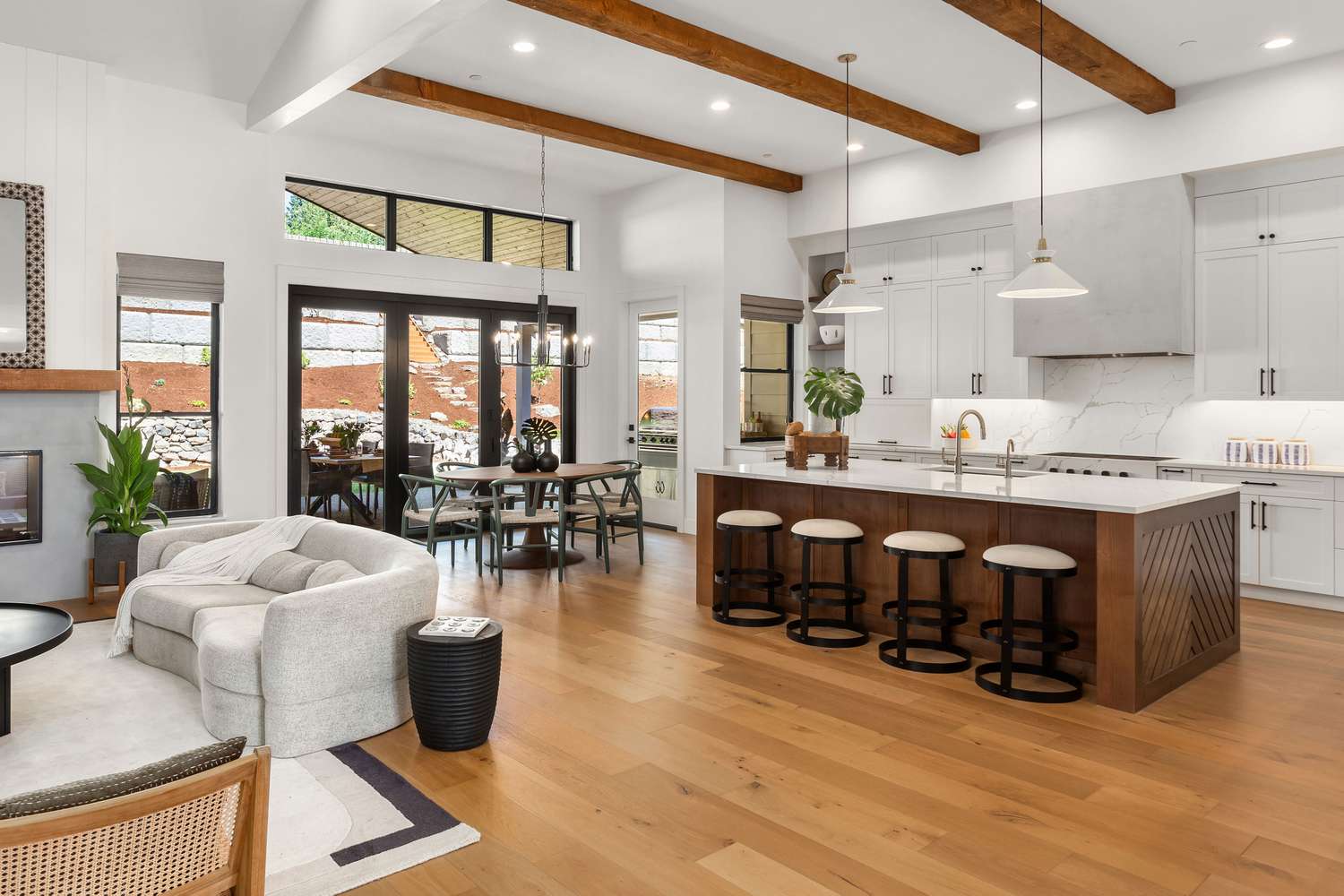
When it comes to selecting the perfect flooring for your home, the decision often boils down to two popular options: hardwood and vinyl flooring. Both offer distinct advantages and can significantly impact the aesthetics, comfort, and functionality of your living space. This comprehensive guide will help you understand the key differences between hardwood and vinyl flooring to determine which is the right choice for you.
-
Aesthetic Appeal
- Hardwood Flooring: Known for its timeless beauty and natural charm, hardwood flooring adds warmth and elegance to any room. Each plank showcases unique grain patterns and color variations, giving your home a rich, authentic look. Hardwood can be stained in various shades, offering versatility to match different interior styles.
- Vinyl Flooring: Modern vinyl flooring has come a long way in terms of design. High-quality vinyl can mimic the appearance of natural materials like wood or stone, often indistinguishable from the real thing at a glance. Vinyl also offers a wider range of colors, patterns, and textures, allowing for more creative design possibilities.
-
Durability and Longevity
- Hardwood Flooring: While hardwood is highly durable, it is susceptible to scratches, dents, and moisture damage if not properly maintained. However, with regular care, hardwood floors can last for decades and can be refinished multiple times to restore their original beauty.
- Vinyl Flooring: Vinyl is exceptionally durable and resistant to scratches, stains, and moisture. This makes it an excellent choice for high-traffic areas, kitchens, bathrooms, and basements. Unlike hardwood, vinyl cannot be refinished, but its long lifespan and low maintenance requirements make it a practical option.
-
Maintenance and Care
- Hardwood Flooring: Maintaining hardwood floors requires regular sweeping or vacuuming to remove dirt and debris. Periodic polishing and refinishing are recommended to keep the surface looking fresh. Spills should be cleaned promptly to prevent water damage.
- Vinyl Flooring: Vinyl is easy to clean and maintain. Regular sweeping and occasional mopping with a mild detergent are usually sufficient. Its resistance to moisture and stains makes it ideal for busy households with pets and children.
-
Comfort and Feel
- Hardwood Flooring: Hardwood offers a natural, warm feel underfoot. It provides good insulation, keeping your home cozy during colder months. However, it can be hard on the feet after prolonged standing.
- Vinyl Flooring: Vinyl has a softer, more cushioned feel due to its layered construction. It is more forgiving on the feet and can be more comfortable for standing over long periods. Some vinyl products even come with additional underlayment for enhanced comfort.
-
Installation Process
- Hardwood Flooring: Installing hardwood can be a complex process that often requires professional expertise. It involves precise cutting, nailing, or gluing, and acclimating the wood to the room’s humidity levels before installation.
- Vinyl Flooring: Vinyl flooring is easier and quicker to install, making it a popular choice for DIY enthusiasts. Options like peel-and-stick, click-lock, and glue-down tiles simplify the process, reducing installation time and costs.
-
Cost Considerations
- Hardwood Flooring: Hardwood tends to be more expensive due to the cost of natural materials and professional installation. However, its longevity and potential to increase property value can justify the investment.
- Vinyl Flooring: Vinyl is more budget-friendly, both in terms of material and installation costs. It offers a cost-effective solution for achieving stylish aesthetics without breaking the bank.
-
Environmental Impact
- Hardwood Flooring: As a natural product, hardwood is biodegradable and can be sourced sustainably. Look for certifications like FSC (Forest Stewardship Council) to ensure environmentally responsible harvesting practices.
- Vinyl Flooring: Vinyl is made from synthetic materials, which can have a higher environmental impact during production. However, many manufacturers are now offering eco-friendly vinyl options with recycled content and low VOC (volatile organic compounds) emissions.
-
Resale Value
- Hardwood Flooring: Homes with hardwood flooring often have higher resale value due to the material’s enduring appeal and perceived luxury.
- Vinyl Flooring: While vinyl may not add as much value as hardwood, its modern designs and durability make it an attractive feature for potential buyers, especially in rental properties or commercial spaces.
-
Room Suitability
- Hardwood Flooring: Best suited for living rooms, dining rooms, and bedrooms where moisture exposure is minimal.
- Vinyl Flooring: Ideal for moisture-prone areas like kitchens, bathrooms, laundry rooms, and basements.
-
Blending Flooring with Interior Design
Choosing the right flooring also involves considering other interior elements. For instance, window treatments play a significant role in the overall aesthetic. Complementing your flooring with stylish options from Decor Chantilly blind store can enhance your home’s ambiance, creating a cohesive and polished look.
Conclusion
Deciding between hardwood and vinyl flooring ultimately depends on your lifestyle, budget, and design preferences. Hardwood offers timeless elegance and long-term value, while vinyl provides versatility, durability, and cost-efficiency. By weighing the pros and cons of each option, you can make an informed decision that enhances both the beauty and functionality of your home.
