
Your roof stands as your home’s first line of defense against the elements, yet it’s often the most overlooked component of regular home maintenance. Understanding when to schedule a professional roof inspection and knowing what the process entails can save you thousands of dollars in repairs while ensuring your family’s safety and comfort.
Why Regular Roof Inspections Matter
A roof inspection serves as a preventive health check for one of your home’s most critical systems. Just as you wouldn’t skip regular medical checkups, your roof deserves the same attention. Professional inspectors can identify minor issues before they escalate into major problems, potentially extending your roof’s lifespan significantly.
Weather damage, normal wear and tear, and aging materials can create vulnerabilities that aren’t always visible from the ground. What might appear as a small leak or missing shingle could indicate more serious structural concerns lurking beneath the surface.
Ideal Timing for Roof Inspections
Seasonal Considerations
Spring emerges as an optimal time for roof inspection scheduling. After winter’s harsh conditions, a thorough evaluation can reveal damage from ice, snow, and freezing temperatures. This timing allows for repairs before summer storms arrive.
Fall represents another excellent opportunity for roof inspection. Before winter weather sets in, addressing any issues ensures your roof can withstand the coming months of snow, ice, and temperature fluctuations.
After Severe Weather Events
Schedule a roof inspection immediately following any significant weather event. Hailstorms, high winds, heavy rainfall, or ice storms can cause damage that isn’t immediately apparent. Even if your roof appears intact from ground level, professional eyes can spot subtle signs of compromising damage.
Age-Related Scheduling
Newer roofs benefit from inspection every few years to ensure proper installation and early problem detection. As roofs age, more frequent evaluations become necessary. Older roofing systems may require annual inspections to monitor deterioration and plan for eventual replacement.
Warning Signs That Demand Immediate Attention
Several red flags indicate the need for an urgent roof inspection. Water stains on interior ceilings or walls suggest potential leaks that require immediate investigation. Missing, cracked, or curling shingles visible from the ground signal possible widespread damage.
Granules accumulating in gutters often indicate shingle deterioration, while sagging areas suggest structural concerns. If you notice daylight filtering through attic spaces or experience higher energy bills, these could indicate roof integrity issues requiring professional assessment.
The Professional Inspection Process
Initial Assessment
A comprehensive roof inspection begins with a ground-level evaluation of your home’s exterior. Professional inspectors examine the overall roof structure, looking for obvious signs of damage, wear, or improper installation. They assess gutters, downspouts, and surrounding areas that impact roof performance.
Detailed Roof Examination
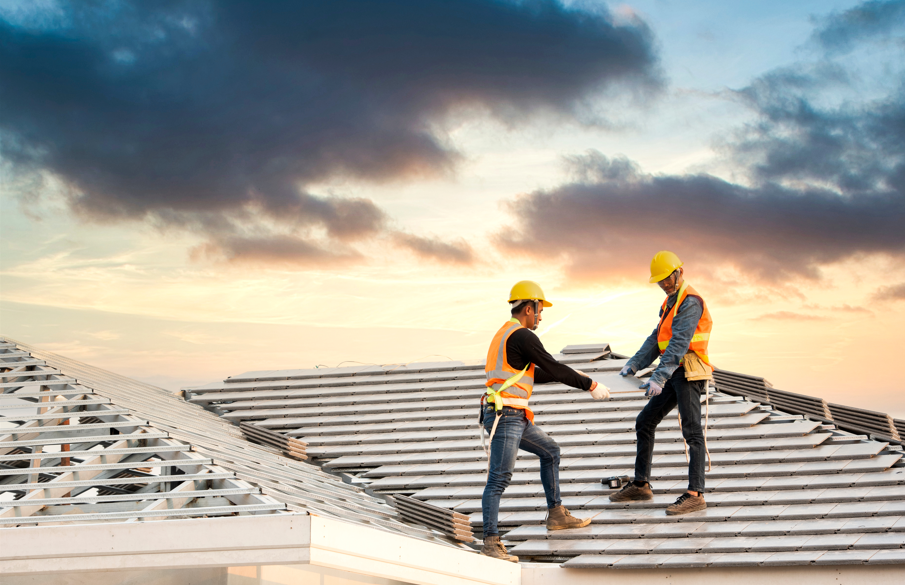
Qualified inspectors then conduct a thorough on-roof examination, checking every component systematically. They evaluate shingle condition, flashing integrity, and ventilation systems. Special attention goes to vulnerable areas like valleys, chimneys, skylights, and penetrations where leaks commonly develop.
Interior Investigation
The inspection process extends indoors, where professionals examine attic spaces for signs of water damage, proper insulation, and ventilation adequacy. They look for staining, mold growth, or structural damage that might not be visible from outside.
Documentation and Reporting
Professional inspectors provide detailed reports documenting their findings. These comprehensive assessments include photographs, condition descriptions, and prioritized recommendations for repairs or maintenance. This documentation proves valuable for insurance claims and future reference.
What to Expect During the Process
Most roof inspections require several hours to complete thoroughly. Professionals arrive with proper safety equipment and insurance coverage. They’ll explain their process, answer questions, and discuss findings as they work.
Expect inspectors to access various roof areas, including climbing onto the structure itself. They may need interior access to examine attic spaces and check for signs of leaks or damage from inside your home.
Making the Investment Worthwhile
A professional roof inspection represents a smart investment in your home’s longevity and your family’s safety. The relatively modest cost of regular inspections pales compared to emergency repairs or premature roof replacement costs.
By scheduling regular professional evaluations and addressing issues promptly, you protect your home’s value while ensuring reliable protection for years to come. Don’t wait for obvious problems to appear—proactive roof inspection scheduling keeps small issues from becoming expensive disasters.
