
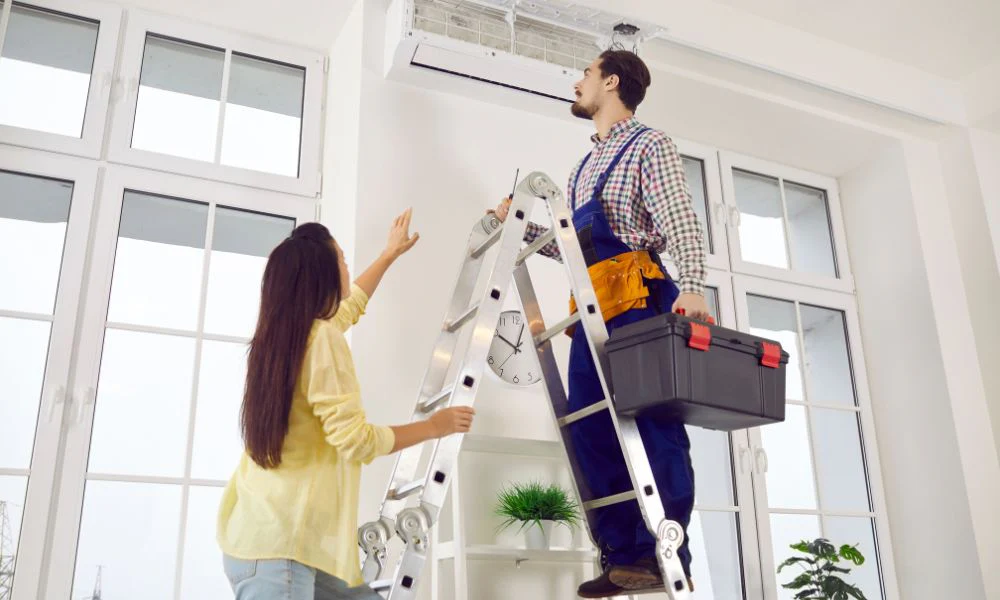
As energy costs continue to rise and environmental concerns become more pressing, finding ways to reduce energy consumption has become a priority for homeowners. One of the most effective ways to achieve this is by optimizing your HVAC (Heating, Ventilation, and Air Conditioning) system for energy efficiency. By implementing energy-efficient HVAC solutions, you can lower your utility bills, reduce your carbon footprint, and create a more comfortable living environment. Here’s how you can make your HVAC system more energy-efficient.
-
Upgrade to a High-Efficiency HVAC System
One of the most impactful steps you can take toward energy efficiency is upgrading to a high-efficiency HVAC system. Modern HVAC units are designed to use less energy while delivering superior performance, making them a smart investment for both your wallet and the environment.
Benefits of High-Efficiency HVAC Systems
High-efficiency HVAC systems consume less energy, which translates to lower monthly utility bills. They also tend to have longer lifespans and require less maintenance, saving you money on repairs and replacements over time. Additionally, these systems are better for the environment, as they emit fewer greenhouse gases.
Choosing the Right System
When shopping for a new HVAC system, look for units with high SEER (Seasonal Energy Efficiency Ratio) ratings for air conditioners and AFUE (Annual Fuel Utilization Efficiency) ratings for furnaces. A higher rating means greater efficiency. Also, consider systems with Energy Star certification, which ensures the unit meets strict energy efficiency guidelines.
-
Regular Maintenance and Tune-Ups
Even the most efficient HVAC system can waste energy if it’s not properly maintained. Regular maintenance is key to ensuring your system operates at peak efficiency throughout its lifespan.
Importance of Maintenance
Routine maintenance tasks, such as changing air filters, cleaning coils, and checking refrigerant levels, can significantly improve your HVAC system’s efficiency. These tasks help prevent your system from overworking, which not only increases energy consumption but also shortens the life of the equipment.
Scheduling Professional Tune-Ups
It’s a good idea to have a professional HVAC technician perform a tune-up at least once a year. During the tune-up, the technician will inspect and clean your system, make any necessary adjustments, and identify potential issues before they become major problems. This proactive approach can keep your system running efficiently and prevent costly repairs.
-
Install a Programmable or Smart Thermostat
Thermostats play a crucial role in your HVAC system’s energy efficiency. Upgrading to a programmable or smart thermostat allows you to optimize your heating and cooling schedule, reducing energy waste.
Benefits of Programmable Thermostats
Programmable thermostats let you set specific temperatures for different times of the day, ensuring that your HVAC system isn’t running when it’s not needed. For example, you can set the thermostat to lower the temperature while you’re at work and raise it before you return home. This helps reduce energy consumption without sacrificing comfort.
Smart Thermostats: The Next Level of Efficiency
Smart thermostats take energy savings a step further by learning your habits and automatically adjusting the temperature based on your schedule. They can also be controlled remotely via smartphone apps, allowing you to make adjustments even when you’re not at home. This level of control can lead to significant energy savings.
-
Seal and Insulate Your Home
An energy-efficient HVAC system can only do so much if your home isn’t properly sealed and insulated. Gaps, cracks, and inadequate insulation can cause air leaks, forcing your HVAC system to work harder to maintain the desired temperature.
Sealing Air Leaks
Inspect your home for air leaks around windows, doors, and any other openings. Use weatherstripping, caulk, or insulation to seal these gaps. This simple step can prevent energy loss and improve your home’s overall comfort.
Upgrading Insulation
If your home has old or insufficient insulation, consider upgrading it. Proper insulation helps keep warm air inside during the winter and cool air inside during the summer, reducing the workload on your HVAC system and lowering your energy bills.
-
Utilize Zoning Systems
Zoning systems divide your home into different areas, each with its own thermostat. This allows you to heat or cool specific areas of your home rather than the entire space, resulting in more efficient energy use.
How Zoning Systems Work
A zoning system uses dampers within the ductwork to direct airflow to specific zones. This means you can customize the temperature in different parts of your home, depending on usage and preferences. For example, you can keep your bedroom cooler at night while saving energy by not heating or cooling unused areas.
Benefits of Zoning Systems
Zoning systems can lead to significant energy savings, especially in larger homes. They also enhance comfort by allowing for individualized temperature control, ensuring that each area of your home is at the optimal temperature.
