
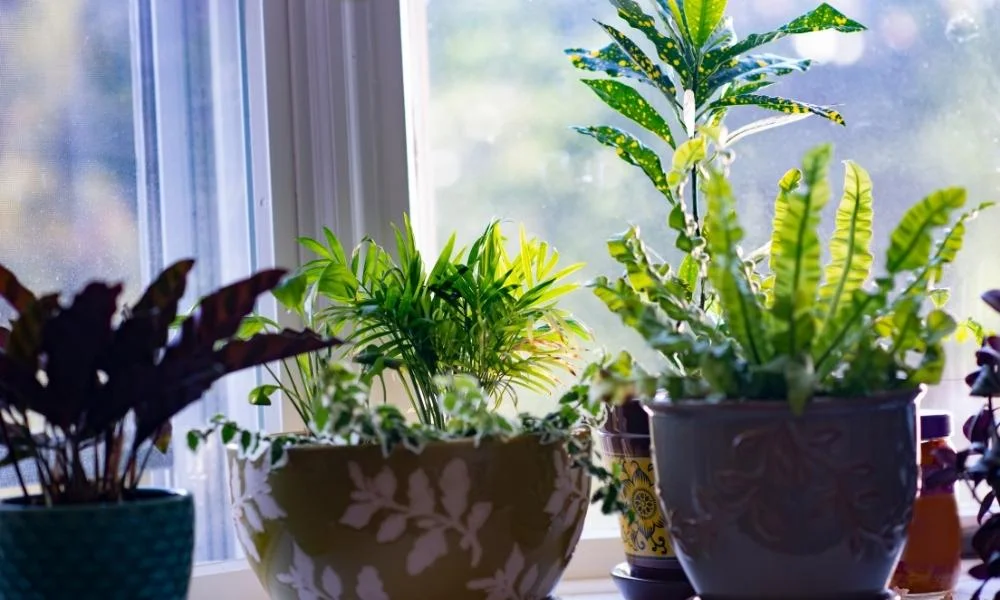
Outdoor planter pots add charm and greenery to Texas homes, patios, and gardens. However, the state’s diverse climate—ranging from arid heat in the west to humid subtropical conditions in the east—poses unique challenges for maintaining these pots. Understanding how to care for planter pots under such conditions can help extend their life and preserve the health of the plants they hold. Homeowners and gardeners can find out more about the specific maintenance practices that make a real difference in the Texas environment.
1. Choose Weather-Resistant Materials
The first step to maintaining planter pots in a Texas home begins with the right material selection. Terracotta and clay pots, while aesthetically appealing, tend to absorb moisture and may crack in extreme heat or cold. On the other hand, fiberglass, resin, and high-quality plastic pots are better suited to withstand Texas’s fluctuating temperatures. Concrete pots are another durable option for areas with strong winds or heavy rainfall. Regardless of material, ensuring the pot has adequate drainage holes is essential to prevent water stagnation and root rot.
2. Protect Pots from Extreme Heat
Texas summers can be harsh, with temperatures often exceeding 100°F. Under such conditions, both pots and plants are susceptible to heat stress. Pots placed in direct sunlight can become excessively hot, damaging plant roots. One way to mitigate this is by placing planters in partially shaded areas during peak hours. Another practical solution is to use pot feet or risers to elevate the containers slightly off the ground, improving airflow and reducing heat absorption from concrete or pavement surfaces. For smaller planters, moving them to a cooler location during intense heat waves can make a significant difference.
3. Manage Moisture and Drainage
Maintaining the right moisture balance is critical in Texas’s variable climate. In drier regions, soil can dry out quickly, requiring more frequent watering, while humid areas may retain moisture longer. To achieve consistency, using a well-draining soil mix containing perlite or coarse sand can help. Mulching the top layer of soil also assists in retaining moisture and keeping the roots cool. Regularly checking drainage holes for blockages ensures that excess water does not accumulate, especially after heavy rains.
4. Prepare for Seasonal Changes
Texas weather can change dramatically between seasons, so proactive maintenance is key. During winter, sudden drops in temperature can cause certain pots, especially terracotta, to crack. Bringing delicate pots indoors or covering them with breathable fabric can provide protection. In contrast, during spring and summer, periodic cleaning of the pots removes mineral deposits and prevents pests such as aphids and mealybugs. A mild soap solution and a soft brush usually suffice for cleaning without damaging the pot’s surface.
5. Prevent Algae and Stain Build-Up
The outside of pots may develop stains or algae over time as a result of exposure to rain, soil, and fertilizers. Scrubbing planters gently with a vinegar and water solution every few months can help keep them looking clean. Sealing concrete or stone pots once a year helps stop surface deterioration and moisture absorption. Maintaining adequate air circulation around each pot also prevents the growth of fungi and maintains the garden’s tidy appearance.
6. Monitor Plant Health Regularly
The longevity of the pots themselves is influenced by healthy plants. Diseased plants or overgrown roots may damage containers structurally or discolor them. Plants and pots can be kept in good condition by routinely pruning, repotting as needed, and checking for pests. Selecting drought-tolerant or native plants that are appropriate for Texas’s climate eases the burden on upkeep.
Conclusion
Maintaining outdoor planter pots in Texas requires a balanced approach that considers heat, moisture, and seasonal shifts. With appropriate material choices, careful watering routines, and periodic cleaning, homeowners can keep their planters both functional and visually appealing throughout the year. For those interested in exploring additional best practices for long-term care and weather adaptation, they can find out more through local horticultural guides or regional gardening associations.
