
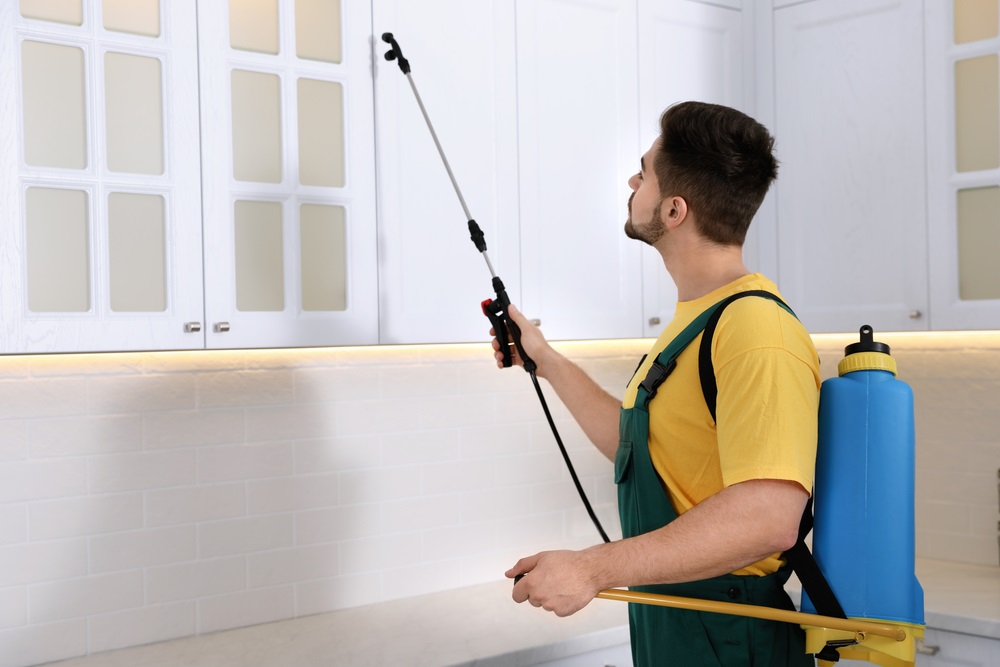
When it meets expectations, managing unacceptable pests about your home or garden, organization is everything. Whether you’re an experienced horticulturist or a proprietor who wants to keep your living spaces lush, understanding the best time to spray for bugs can make all the difference.
This blog aims to outline the optimal occasions and surroundings for spraying, offering tips that balance output with tangible responsibility.
Understanding the Bug Lifecycle
Before diving into the specifics of spraying, it’s important to include the lifecycle of the pests you’re managing. Many insects have obvious phases—from egg to worm to adult—and missing bureaucracy at the right stage can considerably belittle the influence of your pest control works.
· Egg Stage:
Spraying for bugs during this stage can seem reasonable, but most eggs are opposed to pesticides.
· Larval Stage:
This is often the ultimate direct time to spray, as larvae are more vulnerable and actively feeding.
· Adult Stage:
While adults are naive, they may have earlier laid seeds, making this a less efficient occasion to spray.
Summer: Maintaining Control
During the summertime months, pest populations can increase, especially if spring measures weren’t sufficiently effective. Spraying all along this time can help uphold control over these burgeoning cultures.
· Early Summer:
Address any break left from spring spraying.
· Mid to Late Summer:
Pay attention to flies, mosquitoes, and other fast-developing pests.
Fall: Pre-Winter Measures
Spraying in the fall is nearly preparation than extermination. As temperatures drop, insects seek shelter, conceivably inside your home.
· Early Fall:
Target pests that are fitting to overwinter, such as boxelder bugs and stink bugs.
· Late Fall:
Consider asking a security barrier about your home to prevent future invasions.
The Best Time of Day for Spraying
Timing isn’t almost the season; the time of epoch also matters.
· Early Morning:
Ideal cause temperatures are cooler, and many insects are less active, reducing the chances of them escaping.
· Late Afternoon/Early Evening:
Another good time when the sunlight is less intense, lowering the evaporation rate of the spray.
Environmental Considerations
Spraying for bugs isn’t just about getting rid of blights; it’s also about caring for beneficial bugs and the surrounding atmosphere.
· Avoid Windy Days:
To defeat drift and potential harm to non-target variety.
· Check Weather Forecasts:
Avoid spraying if rain is expected inside 24 hours, as it can wash away the pesticide.
Conclusion
In pest control, timing is as crucial as the designs employed. By understanding the lifecycle of bugs and strategically planning your spraying schedule, you can efficiently accomplish pests while minimizing the impact on the environment.
Remember, while spraying can be beneficial, it’s not the only tool in the box—integrated blight management policies can offer a well-rounded approach to custody your spaces pest-free.
